Breakthroughs in Photonic Quantum Computing: Paving the Way for Fault-Tolerant Quantum Computers

2025-07-08
Breakthroughs in Photonic Quantum Computing: Paving the Way for Fault-Tolerant Quantum Computers

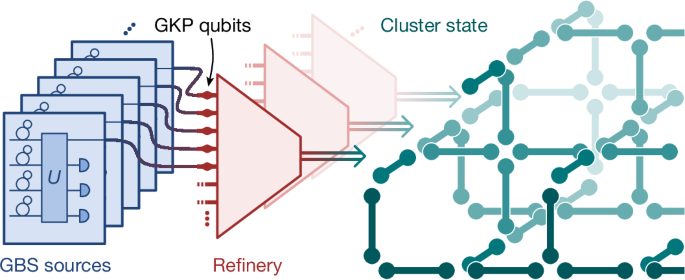
Recent years have witnessed significant advancements in building fault-tolerant quantum computers using photons. Researchers have employed various techniques, such as generating Schrödinger cat states and grid states through superpositions of photon number states, and combining them with quantum error correction codes like Gottesman-Kitaev-Preskill (GKP) codes. This has led to the creation of more robust photonic qubits, laying a solid foundation for building scalable fault-tolerant quantum computers. These groundbreaking results, published in top journals such as Science and Nature, mark a new milestone for photonic quantum computing technology.

Read more
Tech photonics
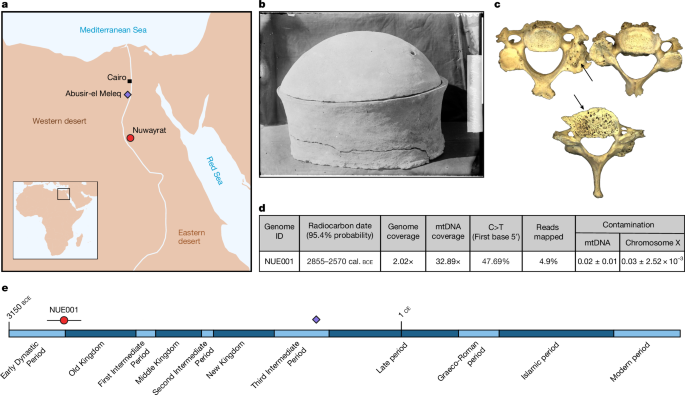
Ancient Egyptian Genomics: Unraveling the Origins and Evolution of Nile Civilization

2025-07-03
Ancient Egyptian Genomics: Unraveling the Origins and Evolution of Nile Civilization

A large-scale study utilizing ancient DNA technology delves deep into the genetic history of ancient Egyptian civilization. Researchers analyzed ancient Egyptian genomes spanning from the Neolithic period to the post-Roman era, revealing the complex composition of the ancient Egyptian population, including gene flow from the Near East, sub-Saharan Africa, and the Mediterranean. The study also traces changes in diet, lifestyle, and disease among ancient Egyptians, offering new insights into the rise and fall of this ancient civilization. This research not only enriches our understanding of ancient Egyptian history but also provides a valuable case study for ancient population genetics research.

Read more

Bogong Moths Navigate by the Stars: A Magnetic-Free Lab Unveils Neural Mechanisms

2025-06-27
Bogong Moths Navigate by the Stars: A Magnetic-Free Lab Unveils Neural Mechanisms

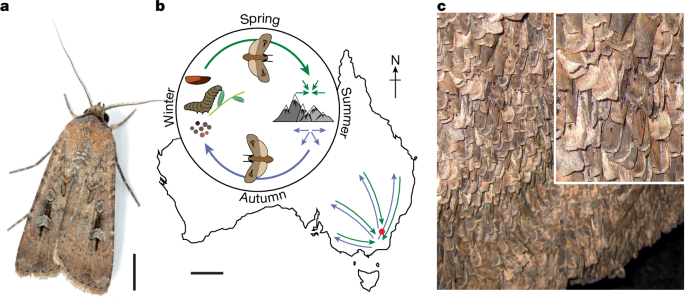
Scientists built a ferromagnetic-free laboratory to study the nocturnal migration of Bogong moths in Australia. By simulating natural starry skies and employing electrophysiology, they discovered that these moths use celestial cues for navigation. Specific neurons in their brains exhibited heightened sensitivity to the rotation of the projected star patterns, revealing the intricate neural mechanisms behind celestial navigation in insects.

Read more

RFK Jr.'s Controversial Plan to Make America Healthy Again

2025-06-24
RFK Jr.'s Controversial Plan to Make America Healthy Again

Since taking office, Robert F. Kennedy Jr. has implemented radical changes to US health policy, sparking concern among public health experts. His administration has slashed budgets and staff, replaced vaccine advisory board members with skeptics, and largely ignored leading causes of death such as car accidents, drug overdoses, and gun violence. While acknowledging the high rates of chronic disease in the US, Kennedy's approach has been criticized for promoting misinformation and overlooking other significant factors contributing to lower life expectancy, including obesity, lack of universal healthcare, and social issues. This article analyzes the multifaceted causes of America's health crisis and challenges the effectiveness of some of Kennedy's proposed solutions.

Read more

PhD Explosion: Too Many Doctors, Not Enough Jobs?

2025-06-23
PhD Explosion: Too Many Doctors, Not Enough Jobs?

The number of PhD graduates globally is booming, especially in countries like China and India. However, academic jobs are failing to keep pace, leaving many with degrees struggling to find relevant employment. While graduates in STEM fields often find suitable roles and report high job satisfaction, those in humanities and social sciences face greater challenges, highlighting a growing mismatch between PhD training and the needs of the job market. This raises concerns about the future of doctoral education and the need for reform to better align with societal and labor market demands.

Read more
Misc

The Contagious Yawning Mystery: Mirror Neurons, Empathy, and Robots

2025-06-20
The Contagious Yawning Mystery: Mirror Neurons, Empathy, and Robots

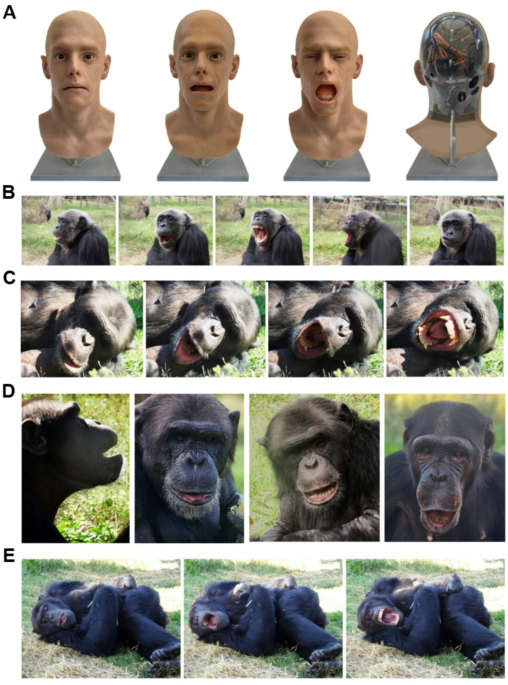
This literature review explores the neural mechanisms and social implications of contagious yawning. Studies suggest a link between contagious yawning and the mirror neuron system, and empathy, found across primates and some other species, and even explored in robotics research. Researchers examined the relationship between contagious yawning and kinship, familiarity, social interaction, and compared differences across species through experiments and observations. This research offers new insights into understanding social cognition in humans and animals, and the development of more socially intelligent robots.

Read more

Citizen Science Illuminates Night Light Data: Analyzing the Nachtlichter App

2025-06-19
Citizen Science Illuminates Night Light Data: Analyzing the Nachtlichter App

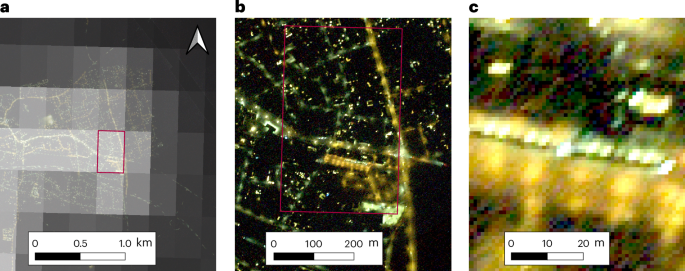
The Nachtlichter project engaged citizen scientists in observing and recording night-time light sources using a dedicated app. Participants surveyed pre-defined routes, classifying and counting lights by type, size, color, and brightness. Researchers corrected for the effects of lights turning off during the night and combined the data with satellite observations to analyze the relationship between ground-level light counts and satellite-measured radiance. The study demonstrates that Nachtlichter data offer a more comprehensive picture than existing public databases, providing valuable insights into urban lighting patterns.

Read more

Spatially Enabling a Millennial Global City Population Dataset

2025-06-18
Spatially Enabling a Millennial Global City Population Dataset

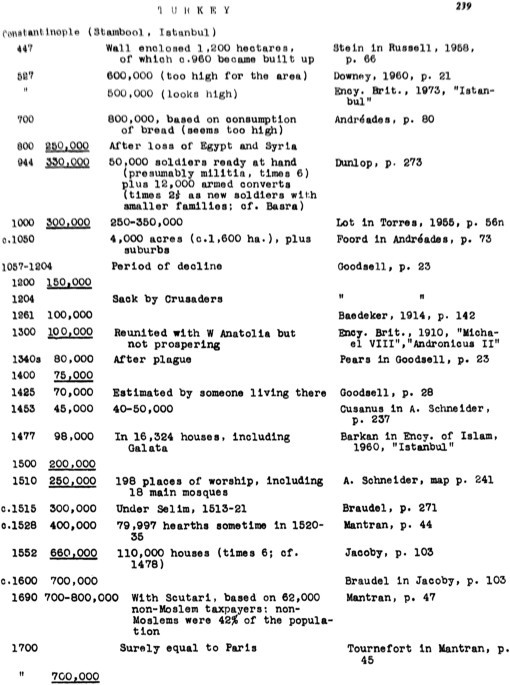
This paper details the creation of a massive global city population dataset integrating the work of Chandler and Modelski, spanning 3700 BC to 2000 AD. The original data, residing in print books and disparate digital formats, presented significant digitization and spatialization (geocoding) challenges. OCR attempts failed due to font and page quality issues, necessitating manual transcription. Geocoding leveraged CartoDB, GeoNames, the Ancient Locations database, and the Getty Thesaurus, with manual verification crucial for accuracy. The final dataset contains 1599 city locations, offering broad global and temporal coverage, yet limitations remain: data sparsity, ambiguous city definitions, and uncertainties in ancient city locations. Despite these, the digitized and spatialized dataset offers readily accessible data for researchers (historians, geographers, ecologists, etc.) to analyze global urbanization trends.

Read more

High-Energy Nitrogen: Breakthroughs and Challenges

2025-06-18
High-Energy Nitrogen: Breakthroughs and Challenges

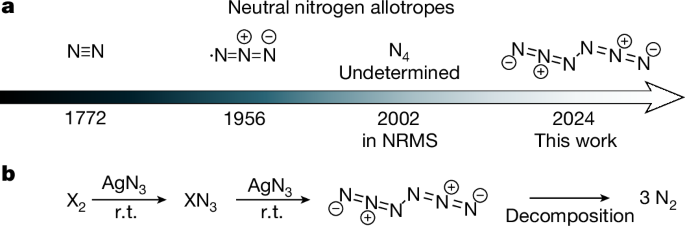
Recent years have witnessed significant progress in the research of polynitrogen compounds as high-energy-density materials. Scientists have successfully synthesized compounds containing hexazine rings and conducted in-depth studies on their structure and stability. However, the synthesis and stability of polynitrogen compounds remain a significant challenge, with factors such as quantum tunneling effects playing a crucial role. Future research will focus on overcoming the challenges in synthesis and stability to develop safer and more efficient polynitrogen high-energy materials.

Read more

Breathing Patterns: A Unique Biometric Identifier?

2025-06-17
Breathing Patterns: A Unique Biometric Identifier?

A new study suggests that a person's breathing pattern, much like fingerprints, could be unique. Researchers tracked the breathing of 97 healthy individuals for 24 hours and found they could identify participants with high accuracy based solely on their breathing patterns. These patterns also correlated with BMI and signs of depression and anxiety, suggesting breathing analysis could be a powerful diagnostic tool. The study indicates that it may be possible to 'read the mind through the nose'.

Read more

Nature to Publish Peer Reviews, Boosting Scientific Transparency

2025-06-16
Nature to Publish Peer Reviews, Boosting Scientific Transparency

Nature journal announced that starting June 16th, all newly published research articles will automatically include their peer review files and author responses. This aims to open up the 'black box' of science, increasing transparency and building trust in the scientific process. This shift reflects a reevaluation of research assessment and recognition of the importance of peer review, informed by the increased openness during the COVID-19 pandemic. Publishing peer reviews allows a wider audience to understand how research is conducted, fosters scientific communication, and provides valuable learning opportunities for early-career researchers.

Read more

Quantum Random Number Generators: A Breakthrough from Theory to Practice

2025-06-16
Quantum Random Number Generators: A Breakthrough from Theory to Practice

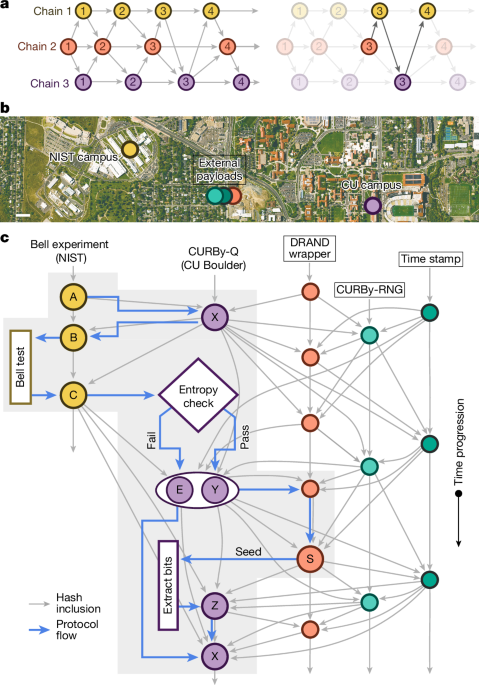
Recent years have witnessed significant advancements in Quantum Random Number Generators (QRNGs). Researchers have leveraged the principles of quantum mechanics to overcome the biases inherent in traditional random number generators, achieving true randomness. From initial theoretical explorations to current experimental verifications based on Bell's theorem, QRNGs have become crucial for ensuring data security and cryptographic applications. This article reviews the development of QRNG technology, encompassing various implementation methods and exploring its future applications in fields such as quantum computing and cryptography.

Read more

ChemBench: A Benchmark for LLMs in Chemistry

2025-06-16
ChemBench: A Benchmark for LLMs in Chemistry

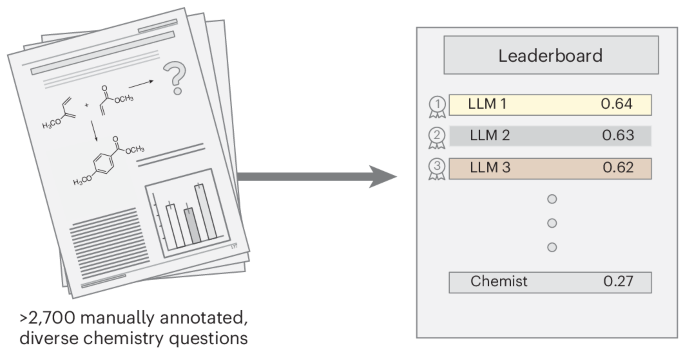
ChemBench is a new benchmark dataset designed to evaluate the performance of large language models (LLMs) in chemistry. It features a diverse range of chemistry questions spanning various subfields, categorized by difficulty. Results show leading LLMs outperforming human experts overall, but limitations remain in knowledge-intensive questions and chemical reasoning. ChemBench aims to advance chemical LLMs and provide tools for more robust model evaluation.

Read more

Human Cells Beat in a Pig Embryo Heart for the First Time

2025-06-13
Human Cells Beat in a Pig Embryo Heart for the First Time

A groundbreaking achievement in scientific research! Chinese scientists have successfully grown pig embryos containing human heart cells that survived for 21 days, with the tiny hearts beginning to beat. This research offers a potential solution to the global organ shortage. The team used gene editing to knock out two genes crucial for heart development in pig embryos and then injected human stem cells. Human cells successfully participated in heart formation, growing to the size of a human heart at a similar developmental stage. While the embryos eventually did not survive beyond 21 days, this study provides invaluable experience for future organ growth in animals for transplantation.

Read more

Nanoplastics Disrupt the Gut Microenvironment: Unraveling the Mechanisms of Microbiota Imbalance

2025-06-12
Nanoplastics Disrupt the Gut Microenvironment: Unraveling the Mechanisms of Microbiota Imbalance

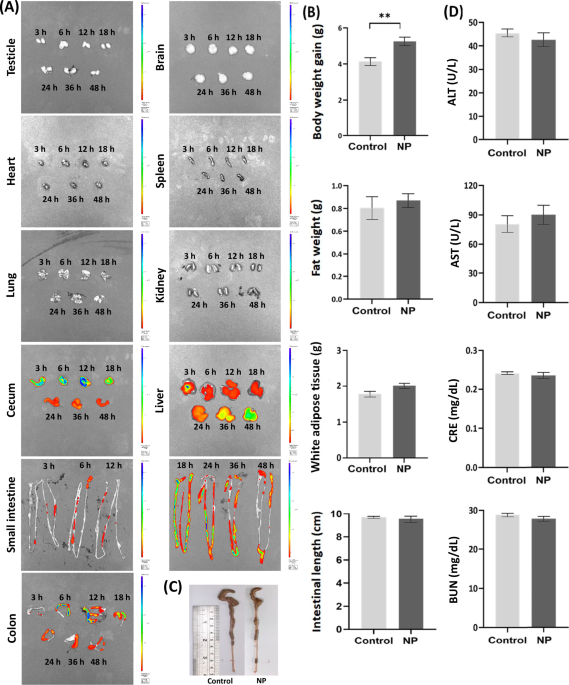
This study reveals that nanoplastics (NPs) disrupt the gut microenvironment through complex host-microbe interactions. NPs accumulate in the cecum, liver, small intestine, and colon, persisting for up to 48 hours. Chronic NP exposure leads to increased body weight in mice without significant liver damage. However, NPs reduce the expression of tight junction proteins (ZO-1 and occludins), increasing intestinal permeability and altering gut microbiota composition. Further investigation reveals that NPs modulate intestinal microRNAs, suppressing mucin MUC-13 expression and impacting the abundance of specific bacteria (e.g., Lachnospiraceae and Ruminococcaceae). Notably, NPs ingested by Lachnospiraceae lead to their extracellular vesicles (EVs) suppressing MUC-13; concurrently, NP-modified goblet cell-derived EVs promote Ruminococcaceae proliferation, ultimately causing gut dysbiosis and impaired intestinal barrier function. This study highlights the potential long-term risks of NP exposure to gut health and emphasizes the crucial role of host-microbe interactions.

Read more

Active Matter and the Glass Transition: A New Frontier

2025-06-11
Active Matter and the Glass Transition: A New Frontier

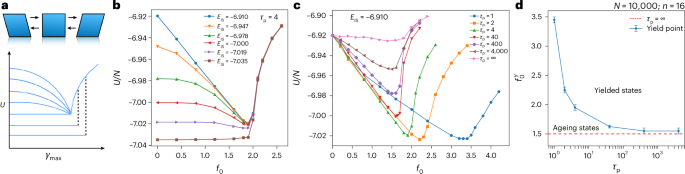
Recent research has illuminated the intriguing dynamics of active matter, such as cells and microorganisms, as they undergo glass transitions. Studies reveal unique behaviors in active glasses, differing significantly from their passive counterparts. Through simulations and experiments, researchers explore how density, interactions, and self-propulsion affect the glass transition in active systems. They've found that active matter exhibits distinct yielding behavior and aging phenomena compared to traditional glasses. These findings advance our understanding of complex nonequilibrium dynamics and offer new insights into material design and biological systems.

Read more

Vera Rubin Observatory: Unveiling an Unprecedented Cosmic Panorama

2025-06-11
Vera Rubin Observatory: Unveiling an Unprecedented Cosmic Panorama

The US$810 million Vera C. Rubin Observatory, set to begin full operations in the coming months, boasts the world's largest digital camera, capturing 3200-megapixel images revealing unprecedented cosmic detail. It will map the entire southern sky every three to four nights, observing each spot around 800 times over its ten-year lifespan, capturing millions of transient and variable astronomical events. Data will be used to study the history of the universe, dark matter, and potentially hazardous solar system objects. While not the largest telescope in terms of aperture, its unparalleled speed and wide field of view promise a revolutionary leap in astronomical discovery.

Read more
Tech cosmic map

High-Efficiency CO2 Electroreduction Catalyst Synthesis and Characterization

2025-06-10
High-Efficiency CO2 Electroreduction Catalyst Synthesis and Characterization

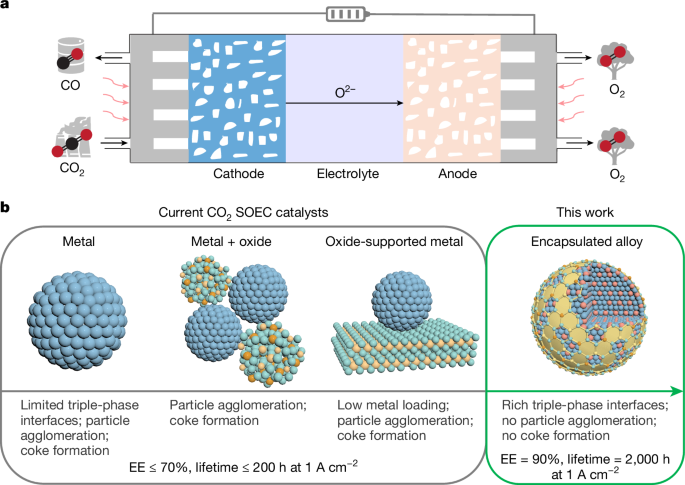
Researchers synthesized a novel MxNi1−x@SDC catalyst for highly efficient CO2 electroreduction using a sol-gel method. The catalyst was prepared by mixing different metal salts with citric acid and ethylene glycol, followed by high-temperature treatment. Co0.5Ni0.5-SDC and LSCF materials were also synthesized, and an electrolytic cell was constructed. The performance and structure of the catalyst were investigated using electrochemical measurements, various characterization techniques (including XRD, SEM, TEM, XPS, XAS, and Raman spectroscopy), and DFT simulations, revealing the mechanism behind its efficient CO2 electroreduction.

Read more

Novel Visual Reasoning Approach Using Object-Centric Slot Attention

2025-06-08
Novel Visual Reasoning Approach Using Object-Centric Slot Attention

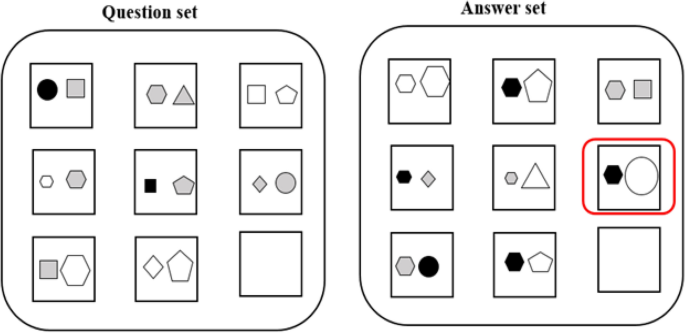
Researchers propose a novel visual reasoning approach combining object-centric slot attention and a relational bottleneck. The method first uses a CNN to extract image features. Then, slot attention segments the image into objects, generating object-centric visual representations. The relational bottleneck restricts information flow, extracting abstract relationships between objects for understanding complex scenes. Finally, a sequence-to-sequence and algebraic machine reasoning framework transforms visual reasoning into an algebraic problem, improving efficiency and accuracy. The method excels in visual reasoning tasks like Raven's Progressive Matrices.

Read more

Groundbreaking LNP X: Efficient mRNA Delivery to Resting T Cells, Revolutionizing HIV Therapy?

2025-06-08
Groundbreaking LNP X: Efficient mRNA Delivery to Resting T Cells, Revolutionizing HIV Therapy?

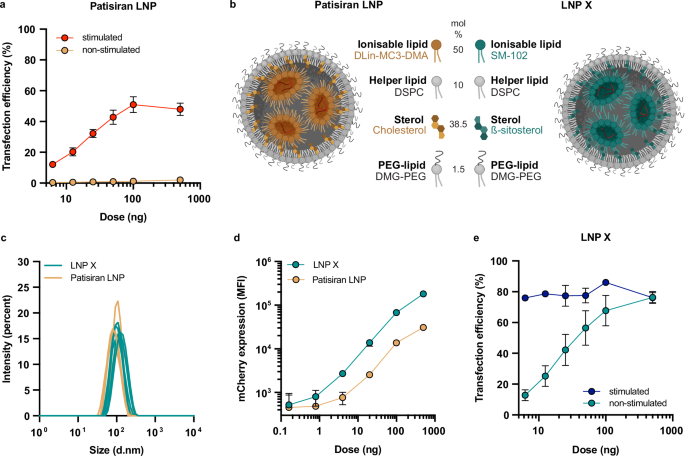
Researchers have developed a novel lipid nanoparticle (LNP X) capable of efficiently delivering mRNA to resting CD4+ T cells without pre-stimulation, unlike existing LNP formulations. LNP X's improved lipid composition, incorporating SM-102 and β-sitosterol, enhances cytosolic mRNA delivery and protein expression. Studies show LNP X delivers mRNA encoding HIV Tat, effectively reversing HIV latency, and also delivers CRISPRa systems to activate HIV transcription. This research opens new avenues for HIV therapy development, potentially significantly improving patient outcomes.

Read more

Japanese Moon Lander Crashes

2025-06-06
Japanese Moon Lander Crashes

ispace's HAKUTO-R Mission 2 lunar lander crashed during its descent, marking the second failed attempt for the Japanese company. Losing contact at 192 meters above the surface, the lander was descending too fast to achieve a soft landing. The cause was attributed to a failure to receive timely distance measurements, despite software and landing strategy improvements implemented since the previous failed attempt. The mission aimed to deploy water electrolyzing equipment, a food production experiment module, a deep space radiation probe, and a small rover.

Read more
Tech

Metabolic Consequences of Cystathionine β-Synthase Deficiency: A Multi-Omics Study

2025-06-05
Metabolic Consequences of Cystathionine β-Synthase Deficiency: A Multi-Omics Study

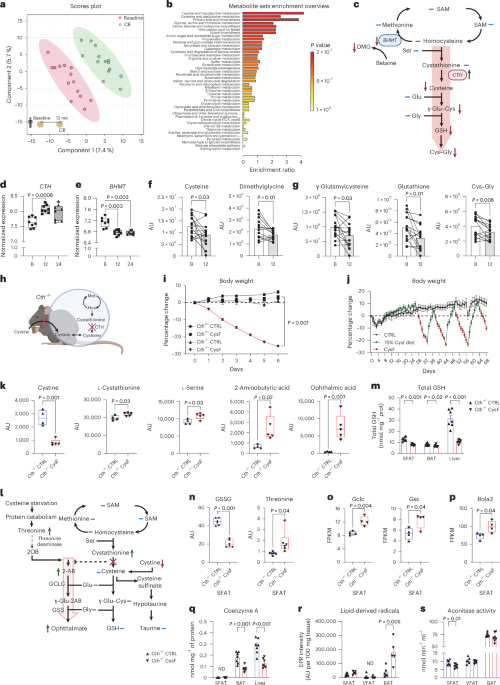
This study investigates the metabolic consequences of cystathionine β-synthase (CBS) deficiency using both mouse models and human samples. Researchers generated CBS knockout mice through gene editing and performed extensive multi-omics analyses, including RNA sequencing, metabolomics, and lipidomics. Results revealed that CBS deficiency leads to metabolic issues such as glucose intolerance, altered adipose tissue composition, and energy metabolic dysfunction in mice. Human sample analysis further corroborated the association between CBS deficiency and metabolic diseases. This research provides crucial insights into CBS's role in metabolic regulation and potential therapeutic strategies for related metabolic disorders.

Read more

Wildlife Trade: Breeding Ground for the Next Pandemic?

2025-06-03
Wildlife Trade: Breeding Ground for the Next Pandemic?

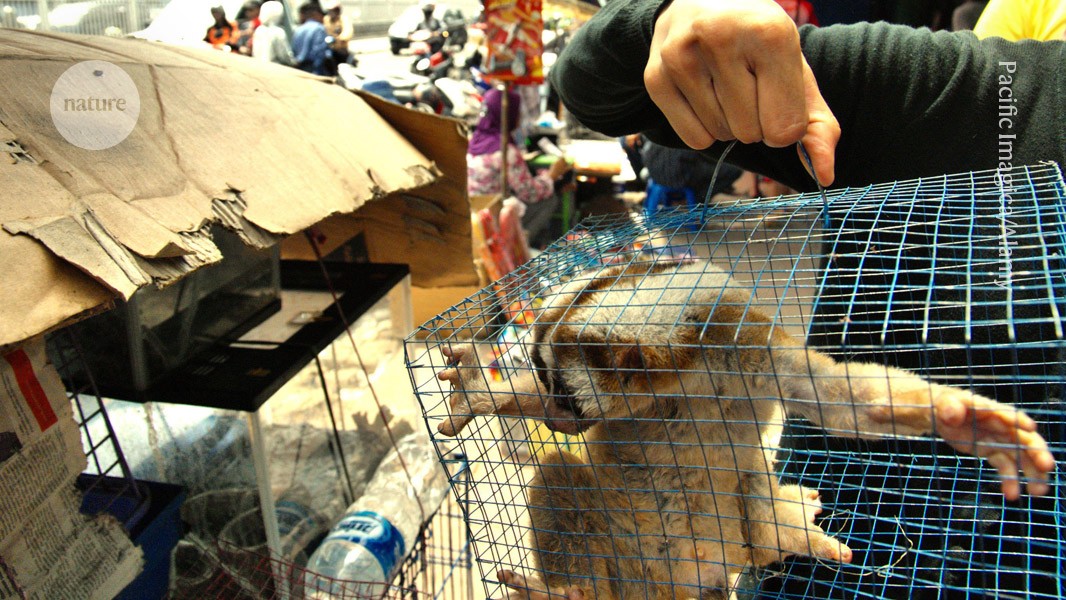
From Jakarta's bustling Jatinegara market to Vietnam's national parks, the illicit wildlife trade poses a significant threat to global public health. The article highlights wildlife markets as breeding grounds for disease transmission, with COVID-19 serving as a prime example. Despite China's ban on most wildlife trading, the industry persists underground. Researchers are tracing the movement of viruses through wildlife trade networks and analyzing how human behavior exacerbates risks. For instance, the detection rate of coronaviruses in trafficked pangolins increases along the supply chain in Vietnam; in Indonesia, festive periods see a surge in trade, increasing transmission risks. The article emphasizes the crucial need for in-depth studies of trade networks and human behavior to effectively predict and prevent future pandemics.

Read more

Academic Websites Overwhelmed by AI Bot Traffic

2025-06-02
Academic Websites Overwhelmed by AI Bot Traffic

A surge in bot traffic is crippling academic websites. Sites like DiscoverLife, hosting millions of images, have experienced massive traffic spikes, rendering them unusable. The culprit? Bots scraping data, likely to train generative AI models. This isn't isolated; BMJ and Highwire Press report similar issues, with COAR finding over 90% of surveyed members affected, many experiencing service disruptions. While open access encourages reuse, the aggressive scraping is unsustainable. The release of DeepSeek, a less resource-intensive LLM, exacerbated the problem, fueling the bot explosion. Smaller organizations face extinction unless this issue is addressed.

Read more

Micronozzle Accelerator: Unveiling the Physics of GeV Proton Acceleration

2025-06-01
Micronozzle Accelerator: Unveiling the Physics of GeV Proton Acceleration

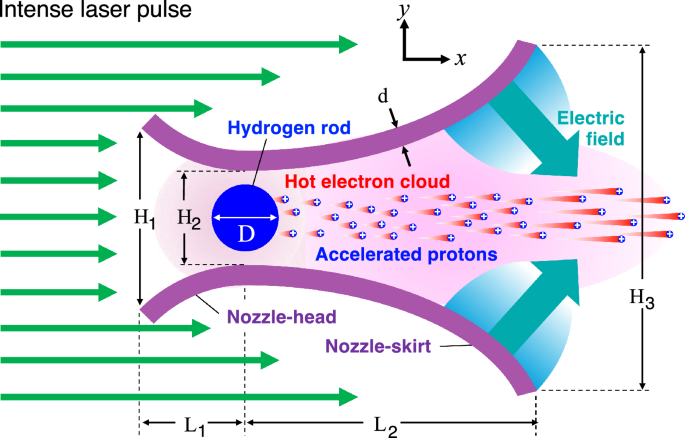
This research utilizes 2D particle-in-cell simulations to reveal a novel proton acceleration mechanism called the Micronozzle Accelerator (MNA). MNA focuses laser energy onto a hydrogen rod using a micronozzle, generating strong electric fields that accelerate protons to GeV energies. The study found that the MNA proton acceleration process consists of three stages: run-up, main-drive, and afterburner. The afterburner stage, a key feature of MNA, enables continued proton acceleration even after laser irradiation ceases, attributed to the effective transfer of thermal energy from hot electrons to protons during plasma free expansion. The research also explores the effects of laser intensity and pulse width on proton acceleration and compares MNA's performance with traditional targets, showing higher energy conversion efficiency and lower angular divergence.

Read more

Breakthrough Si-based Anode Material: Sieving-Pore Structure Enables High-Performance Lithium-Ion Batteries

2025-05-30
Breakthrough Si-based Anode Material: Sieving-Pore Structure Enables High-Performance Lithium-Ion Batteries

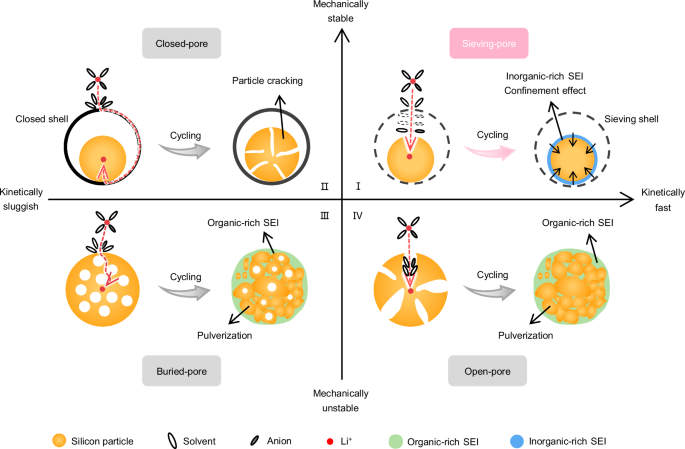
Researchers have developed a novel silicon-carbon composite anode material (SSC) using a two-step chemical vapor deposition method. The SSC material features a unique sieving-pore structure with sub-nanometer pore entrances that effectively sieve the electrolyte, suppressing the formation of organic-rich SEI and promoting the formation of inorganic-rich SEI. This inorganic-rich SEI not only stabilizes the interface but also provides fast Li+ transport pathways. Simultaneously, the combined effect of the sieving-pore structure and inorganic-rich SEI mechanically confines the volume expansion of Si, inhibiting the formation of c-Li15Si4 and enhancing cycling stability. Experimental results demonstrate that the SSC anode exhibits high reversible capacity, excellent cycling life, and rate capability, showing great potential for high-energy density lithium-ion batteries.

Read more

Caffeine's Age-Dependent Effects on Brain Complexity and Criticality During Sleep

2025-05-30
Caffeine's Age-Dependent Effects on Brain Complexity and Criticality During Sleep

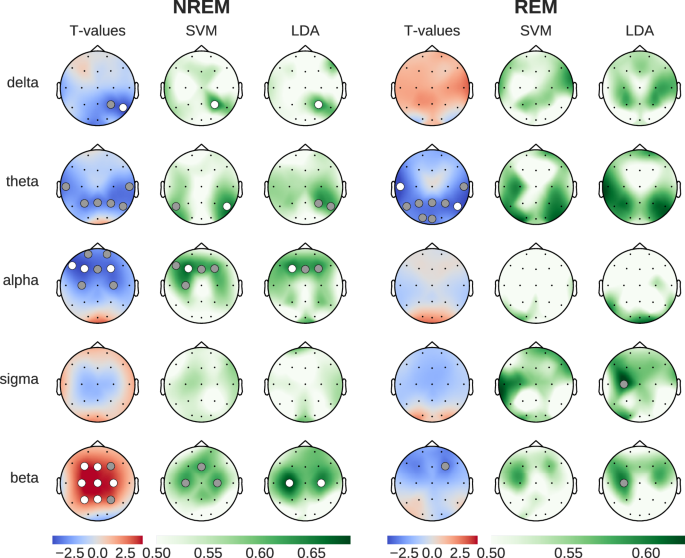
A new study reveals that caffeine affects brain complexity and criticality in an age-dependent manner. Analyzing sleep EEG data, researchers found that caffeine induced increases in complexity and criticality of brain activity in young and middle-aged adults, but not in older adults. This study provides novel insights into the effects of caffeine on the brain and age-related neurodegenerative diseases.

Read more

Base Editing Offers New Hope for Treating CAG and GAA Repeat Expansion Disorders

2025-05-29
Base Editing Offers New Hope for Treating CAG and GAA Repeat Expansion Disorders

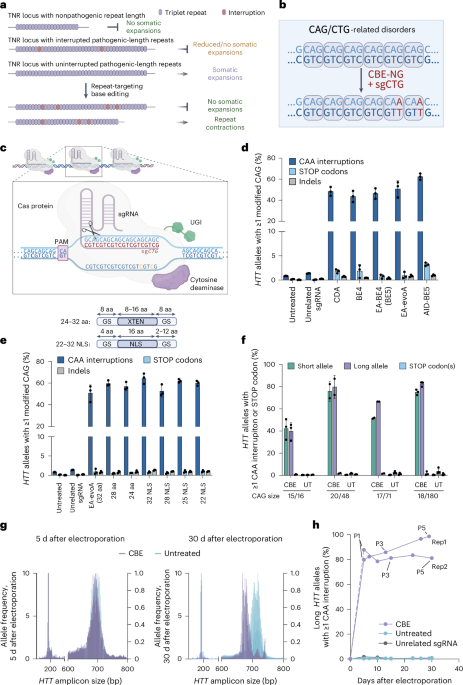
This study investigates the potential of cytosine base editors (CBEs) and adenine base editors (ABEs) to treat repeat expansion disorders such as Huntington's disease (HD) and Friedreich's ataxia (FRDA). Researchers designed editors targeting CAG and GAA repeats and demonstrated their effectiveness in in vitro and in vivo experiments. CBEs significantly reduced CAG repeat expansion, even promoting contraction, in a mouse model of HD. ABEs stabilized GAA repeats and increased FXN gene expression in a mouse model of FRDA. While off-target effects exist, the findings highlight the significant potential of these base editors for treating repeat expansion disorders.

Read more

In Vivo CAR T-Cell Therapy: Revolutionizing Cancer Immunotherapy?

2025-05-27
In Vivo CAR T-Cell Therapy: Revolutionizing Cancer Immunotherapy?

CAR T-cell therapies have shown remarkable success in treating blood cancers, but their laborious ex vivo manufacturing and high cost limit their accessibility. To address these challenges, scientists are developing in vivo CAR T-cell therapies, which involve genetically engineering T cells directly within the body. This approach promises to simplify manufacturing, reduce costs, and benefit more patients. While in vivo methods face challenges like precise targeting of T cells and potential side effects, their potential is immense and could revolutionize cancer immunotherapy.

Read more

Optimizing Aggregate Packing Density for Enhanced Compressive Strength in Biocemented Materials

2025-05-27
Optimizing Aggregate Packing Density for Enhanced Compressive Strength in Biocemented Materials

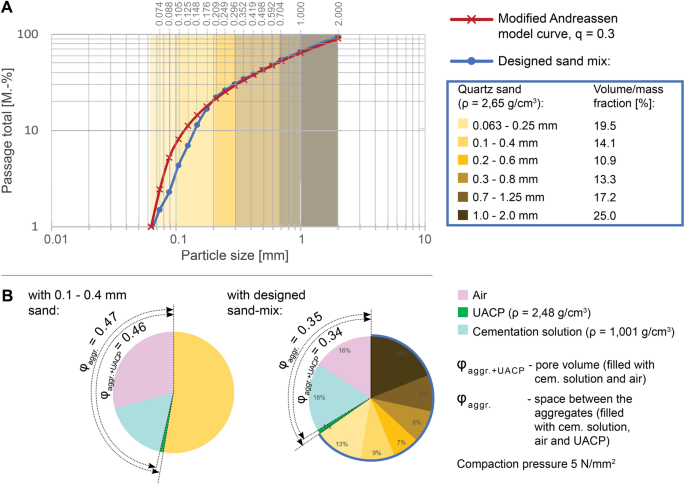
Researchers significantly improved the compressive strength of biocemented materials by optimizing the packing density of aggregate mixtures. They employed the Modified Andreassen model to design an optimal particle size distribution curve, which was validated through compaction experiments. The optimized mix exhibited higher aggregate packing density during biomineralization, leading to reduced cementation solution consumption. Subsequently, an improved stop-flow pressure-based injection method was used for biomineralization experiments to investigate the impact of varying cementation solution pressure and concentration on biomineralization depth and compressive strength. Results showed that optimal UACP content, pressure, and concentration yielded high-strength, homogeneous biomineralized specimens, with a maximum compressive strength of 57.4 MPa – significantly exceeding previous studies. Lower flow rates and higher aggregate packing density were also found to be beneficial for achieving higher ultrasonic wave velocities and compressive strengths.

Read more
2 4 5 6