Fantastic Planet: A 19th-Century Microphotography Album

2025-01-11
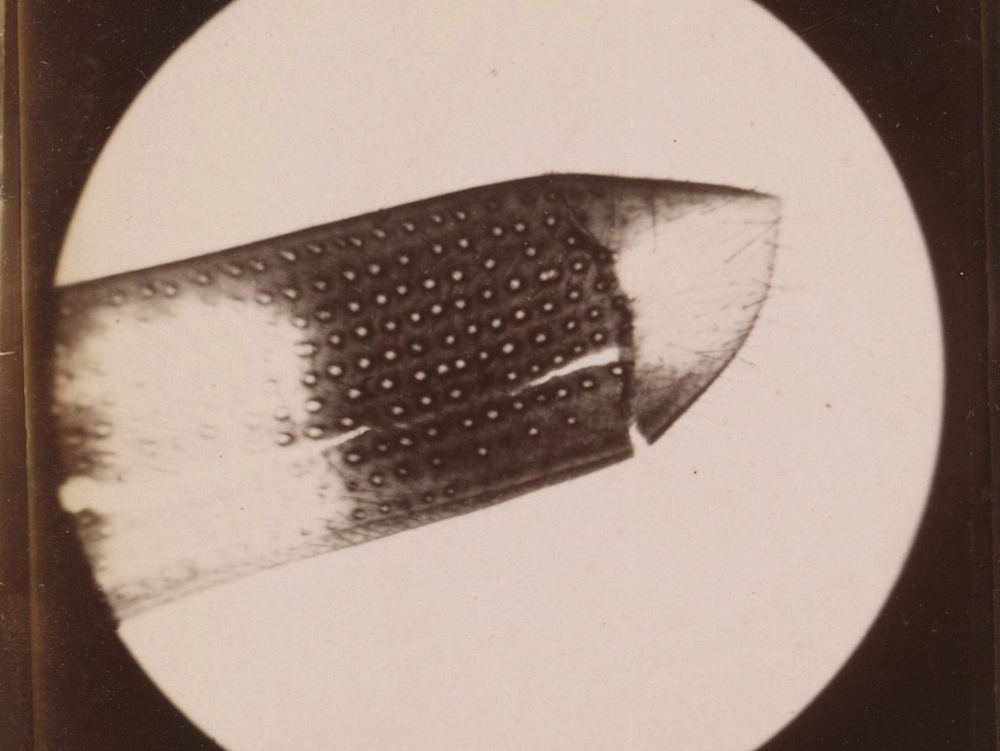
Fantastic Planet: A 19th-Century Microphotography Album

Marinus Pieter Filbri's microscopy album reveals a wondrous 19th-century glimpse into the microcosm. The collection juxtaposes seemingly unrelated images—moon phases, portraits of Sicilian bandits—with stunning micrographs: a moth's antenna, a honeybee's stinger, a fly's eye, and more. These images not only showcase the intricate structures of the microscopic world but also spark contemplation on the similarities between the macrocosm and microcosm, akin to exploring a fantastic alien planet. Filbri's work echoes the discoveries of Antoni van Leeuwenhoek, highlighting the challenges and achievements of early microphotography.

Read more
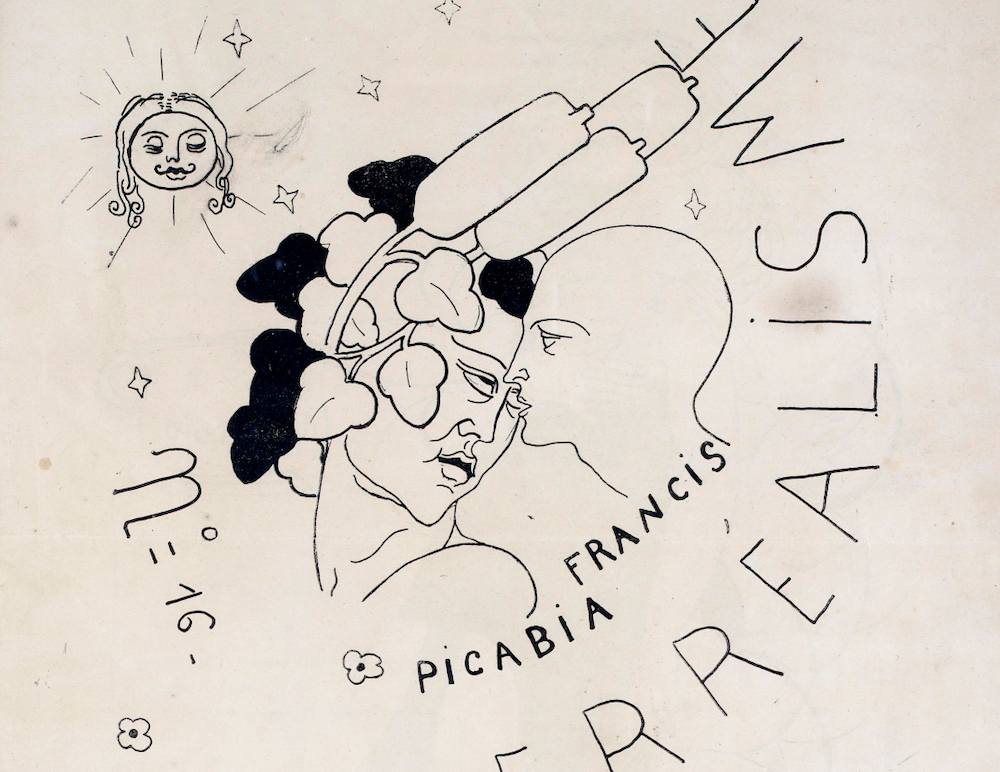

Francis Picabia's *391*: Perpetual Motion in Dada and Beyond

2025-01-09
Francis Picabia's *391*: Perpetual Motion in Dada and Beyond

Francis Picabia, a close associate of Marcel Duchamp, was known for his multiple pseudonyms and his rebellious approach to artistic movements. His art review, *391* (1917-1924), chronicles his complex relationship with Dada and Surrealism. The magazine's eclectic content—poetry, artwork, satirical essays—reflects Picabia's anti-establishment stance. Ultimately, he declared his 'Instantanism,' rejecting all artistic movements and proclaiming that art is not a movement, but perpetual motion.

Read more

16th Century Germany's Celestial Anomalies: Portents of the Apocalypse

2025-01-01
16th Century Germany's Celestial Anomalies:  Portents of the Apocalypse

16th-century Germany witnessed a flurry of bizarre celestial events: bloody rays bisecting the sun, extraterrestrial battles in the sky, and meteor showers. These 'wonder-signs' (Wunderzeichen) were meticulously documented in woodcuts, pamphlets, astronomical texts, and personal diaries. Widely interpreted as omens of the apocalypse, these phenomena were fueled by the anxieties of the Reformation. The article explores the methods of recording these events, their societal impact, and their connection to religious reform, highlighting the crucial role of printing technology in disseminating these 'prophecies'.

Read more
2 Next →