C-Tubes: Revolutionizing 3D Design with Flat Materials

2025-08-22
C-Tubes: Revolutionizing 3D Design with Flat Materials

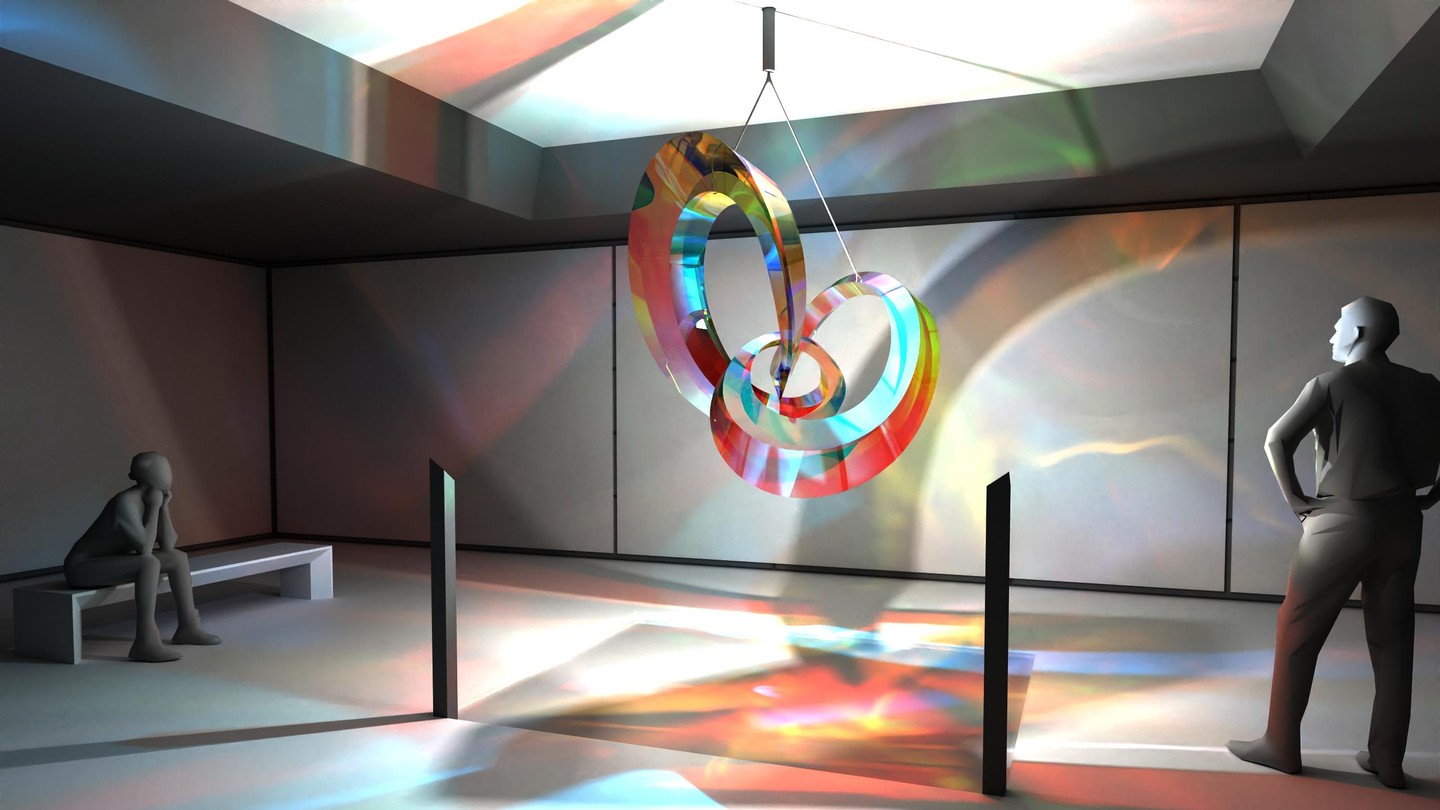
Researchers at EPFL's Geometric Computing Laboratory have developed C-Tubes, a groundbreaking method for creating strong, lightweight curved structures from flat strips of material. Their algorithm precisely bends and connects these strips, avoiding stretching or wrinkling, resulting in surprisingly stiff and durable tubes. This sustainable approach minimizes waste and opens possibilities in furniture, lighting, architecture, and beyond. C-Tubes promises to revolutionize design and construction, offering a more efficient and environmentally friendly approach to 3D object creation.

Read more
Design

Edible Robots: RoboCake Takes Center Stage at Expo 2025

2025-05-09
Edible Robots: RoboCake Takes Center Stage at Expo 2025

The EU-funded RoboFood project unveiled its groundbreaking creation: RoboCake, an edible robotic wedding cake! Developed by EPFL and IIT researchers in collaboration with pastry chefs, this cake features two adorable, edible robotic teddy bears animated by an internal pneumatic system. Even more innovative, IIT created edible rechargeable batteries made from vitamin B2, quercetin, activated carbon, and chocolate, powering the cake's LED candles. This interdisciplinary marvel not only offers a unique culinary experience but also addresses electronic waste and food waste issues, with applications in emergency nutrition and healthcare.

Read more

ByzFL: Building Trustworthy AI Without Trusting Data Sources

2025-04-10
ByzFL: Building Trustworthy AI Without Trusting Data Sources

Current AI models rely on massive, centralized datasets, raising security and privacy concerns. Researchers at EPFL have developed ByzFL, a library using federated learning to train AI models across decentralized devices without centralizing data. ByzFL detects and mitigates malicious data, ensuring robustness and safety, particularly crucial for mission-critical applications like healthcare and transportation. It offers a novel solution for building trustworthy AI systems.

Read more

GOAT Robot: Shape-Shifting for Superior Terrain Navigation

2025-03-03
GOAT Robot: Shape-Shifting for Superior Terrain Navigation

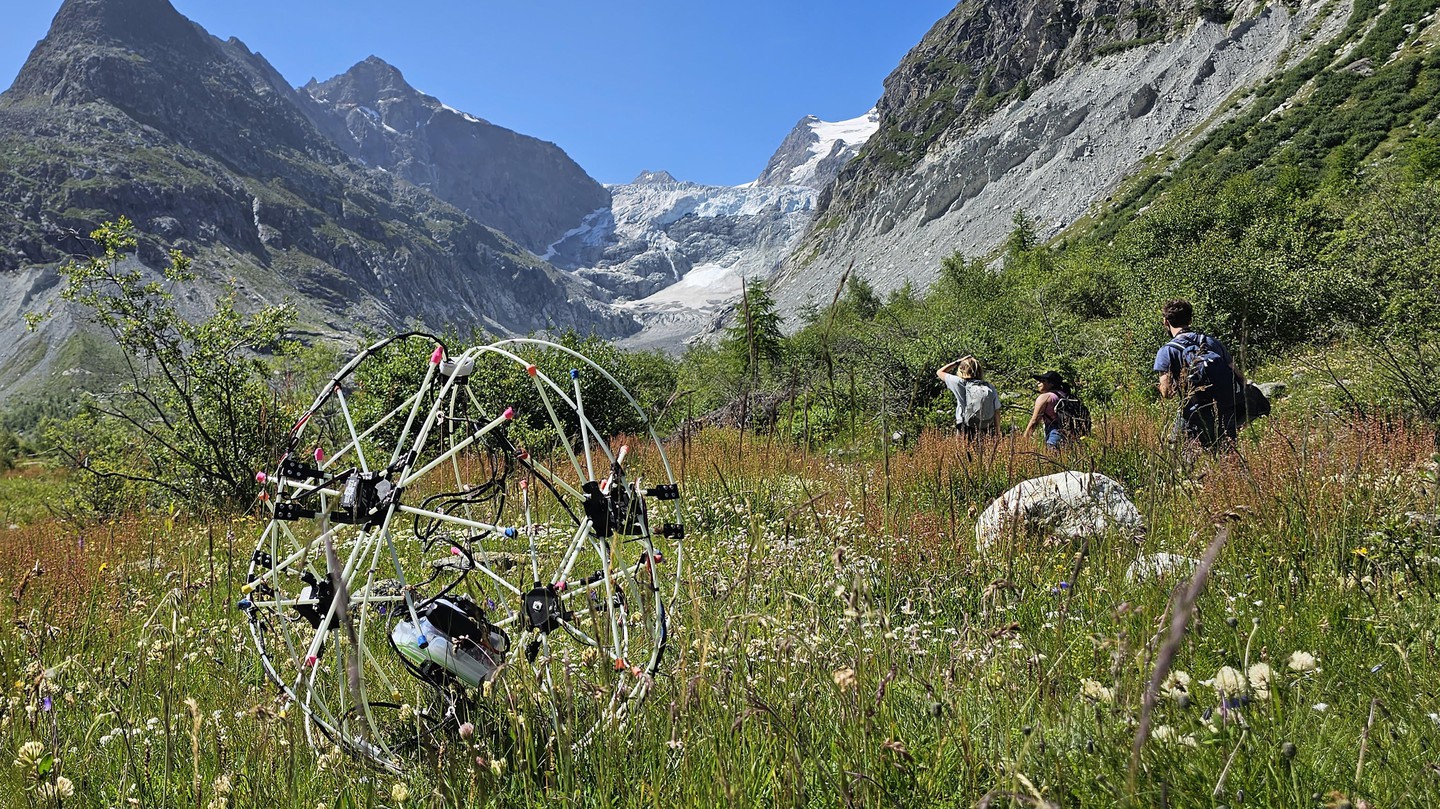
Researchers at EPFL have developed GOAT, a bio-inspired robot capable of dynamically altering its shape to navigate diverse terrains. Unlike traditional robots relying on complex path planning and numerous sensors, GOAT efficiently traverses challenging environments (rough terrain, water) by morphing between a flat rover and a spherical shape. This shape-shifting, combined with compliant materials, minimizes energy consumption. For example, it can roll downhill passively to save energy, or swim through obstacles. Inspired by various animals, GOAT uses inexpensive materials. Future applications include environmental monitoring, disaster response, and even extraterrestrial exploration.

Read more