Category: Design

Dyson's Design: Tech-Obsessed or Marketing-Driven?

2025-07-07

This article offers a critical analysis of Dyson's design philosophy. The author argues that Dyson's excessive focus on technology results in shortcomings in ergonomics, usability, and reliability. Dyson products function more as status symbols than practical tools, leveraging the 'star designer' image and societal trends of tech worship. Using Dyson vacuums and hand dryers as examples, the author compares them to competitors, highlighting Dyson's lack of superiority in practicality and cost-effectiveness. The author concludes by urging designers to return to design's essence, focusing on user needs rather than blindly chasing technological showmanship.

Design
Marker Fading: A Shocking 6-Month Test

2025-07-07
Marker Fading: A Shocking 6-Month Test

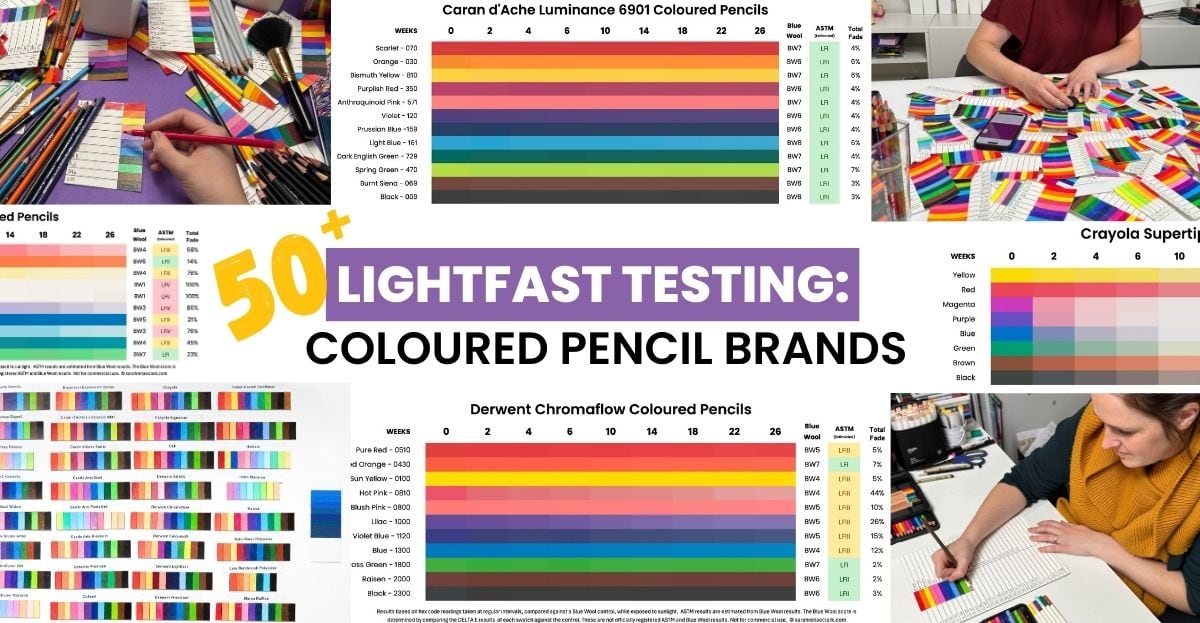
A six-month test revealed shocking lightfastness issues with markers. Alcohol-based markers, including expensive brands like Copic and Winsor & Newton, faded significantly, with some colors disappearing entirely. Water-based markers fared little better, showing considerable fading. However, some lightfast markers, such as Faber-Castell Pitt Artist Pens, Winsor & Newton Watercolour Markers, and Talens Pantone, performed better but still showed fading. To preserve marker artwork, scanning, photography, or framing with UV-resistant glass is recommended, especially for pinks and neons which were the worst performers.

Figma: Collaboration Tool or Creativity Killer?

2025-07-07
Figma: Collaboration Tool or Creativity Killer?

This article reflects on Figma's evolution over a decade, shifting from initial praise for its innovation to concerns about its over-engineered approach. The author argues that features like Auto Layout and Dev Mode, while boosting efficiency, stifle designers' freedom and creativity in the early exploration phases, leading to design homogenization. The author urges designers to be wary of this shift, advocating for flexibility in the design process, prioritizing early exploration and experimentation over premature structure and consistency.

Design design tools

The Swedish Campground in Your Mac Menu

2025-07-07

Early Macintosh designers added the Apple logo to menu items to indicate keyboard shortcuts. Steve Jobs, however, deemed this excessive. A frantic search for a replacement led them to a Swedish campground symbol in an international symbol dictionary. This small, floral icon, chosen for its distinctiveness, remains a subtle part of macOS to this day, a hidden piece of design history.

macOS 26's Liquid Glass UI: A Dramatic Visual Overhaul

2025-07-06
macOS 26's Liquid Glass UI: A Dramatic Visual Overhaul

Apple's macOS 26 introduces a stunning new UI design: Liquid Glass. Solid material icons are replaced with softer, shinier, glass-like versions. Rounded rectangles are even more rounded, and Apple has removed the ability for icon elements to extend beyond the icon's boundaries (as seen in GarageBand, Photo Booth, Dictionary, etc.). This is one of the most significant visual overhauls in macOS history. To document this evolution, a collection chronicling the changes to system icons over the years is being created and will be updated throughout the summer.

Design

The Perfectionism Trap: From Quantity to Quality in Creative Work

2025-07-05
The Perfectionism Trap: From Quantity to Quality in Creative Work

This article explores how perfectionism hinders creative work. The author argues that perfect ideas exist only in the imagination; bringing them to life reveals a gap between conception and execution. Using a photography class experiment as an example, the author emphasizes the importance of practice, stating that quantity leads to quality. The article also introduces the concept of 'the quitting point'—the moment initial enthusiasm fades—and explains that only persistent practice can overcome this hurdle and ultimately lead to excellent work.

Design practice

Wind-Powered Knitting: A Mobile Factory Harnessing Urban Winds

2025-07-04
Wind-Powered Knitting: A Mobile Factory Harnessing Urban Winds

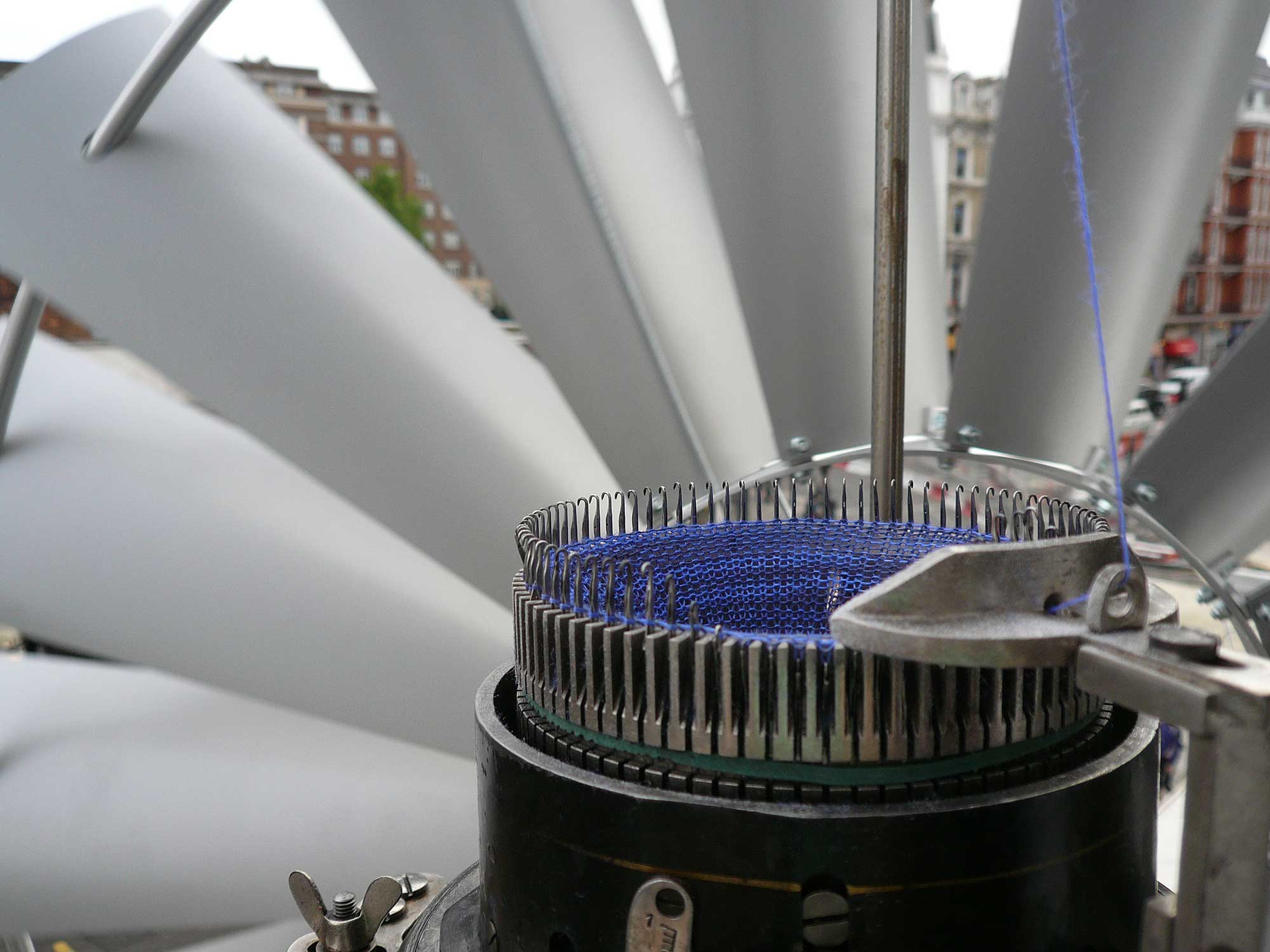
Imagine a building facade with a constantly growing knitted fabric, a 'mobile factory' powered by wind. Wind propels the knitwear down from the building's top, through a window into the interior, where it's eventually 'harvested' into scarves labeled with their creation time. This art installation cleverly connects public and private space, showcasing the potential of harnessing urban wind energy and uniquely visualizing the production process.

Apple's 'Liquid Glass' UI Redesign: Form Over Function?

2025-07-02
Apple's 'Liquid Glass' UI Redesign: Form Over Function?

Apple's new user interface design, "Liquid Glass," has sparked controversy. The author dissects Apple's developer documentation, revealing inconsistencies. The guidelines advocate blurring the lines between content and navigation while simultaneously advising clear separation. Unnecessary whitespace reduces screen density, and overly simplistic icon design requirements lead to bland, indistinguishable icons. The author argues that Apple prioritizes form over function, sacrificing user experience and developer freedom, resulting in homogenized third-party app icons. The focus on a "liquid glass" effect overshadows the importance of the elements it distorts.

The Rise and Fall of Experimental Playgrounds: From Junk to Juxtaposition

2025-07-01
The Rise and Fall of Experimental Playgrounds: From Junk to Juxtaposition

Post-war Europe saw the rise of 'junk playgrounds,' unconventional spaces built from discarded materials. These weren't your typical swings and slides; they encouraged child-led construction, exploration, and even risky play like handling fire. Emdrup playground in Denmark, a prime example, boasted a 50-foot tower built by children. However, safety concerns and aesthetic criticisms led to their decline, replaced by more 'sanitized' adventure playgrounds. While games like Minecraft offer a digital echo of this creative freedom, they lack the physical and social richness of the originals. The article explores the history and value of these experimental playgrounds, urging a renewed focus on imaginative, co-created play spaces in modern cities.

OpenFLOW: A Powerful Open-Source Isometric Diagramming Tool

2025-07-01
OpenFLOW: A Powerful Open-Source Isometric Diagramming Tool

OpenFLOW is a powerful, open-source Progressive Web App (PWA) for creating stunning isometric diagrams. Built with React and Isoflow, it offers offline support and features like drag-and-drop components, connectors, customization options, and JSON import/export. Auto-save, undo functionality, and support for various browsers enhance usability. Note that HTTPS is required for PWA features, and browser storage is limited; regular export of diagrams is recommended.

Can Design Save the World? A Look at Design's Ideals and Limitations

2025-06-29
Can Design Save the World? A Look at Design's Ideals and Limitations

This article explores the social responsibility and limitations of design. From its humble beginnings as decorative art to its current involvement in hardware, software, services, and infrastructure, design now carries increasingly significant responsibilities. The author reviews key figures and events in design history, such as Eva Zeisel, the Bauhaus school, and Steve Jobs, showcasing the evolution of design philosophy. However, the popularity of design thinking has also brought challenges. The case of Gainesville, Florida, illustrates how design thinking failed to effectively address deep-seated social issues. Ultimately, the article emphasizes that design can contribute to building a better society, but it must avoid detachment from political and social realities. Participatory design and collaboration with other fields are crucial to truly address 'wicked problems'.

AI Image Generators Shake Up China's Graphic Design Industry

2025-06-28
AI Image Generators Shake Up China's Graphic Design Industry

AI image generators like DALL-E are significantly impacting China's graphic design landscape. While some designers use AI for cost-effective background creation, it highlights AI's potential to replace parts of the creative process. Clients now expect faster turnaround times and lower prices, leading to increased workload and reduced income for designers. Although AI can quickly replicate styles, it can't replace a designer's core skills in creative strategy and problem-solving. Many view AI as a 'toy' rather than a 'tool', finding its usefulness limited in complex projects. There's hope that AI will become a more effective design assistant in the future.

Mondrian's Unfinished Masterpiece: Victory Boogie Woogie

2025-06-25
Mondrian's Unfinished Masterpiece: Victory Boogie Woogie

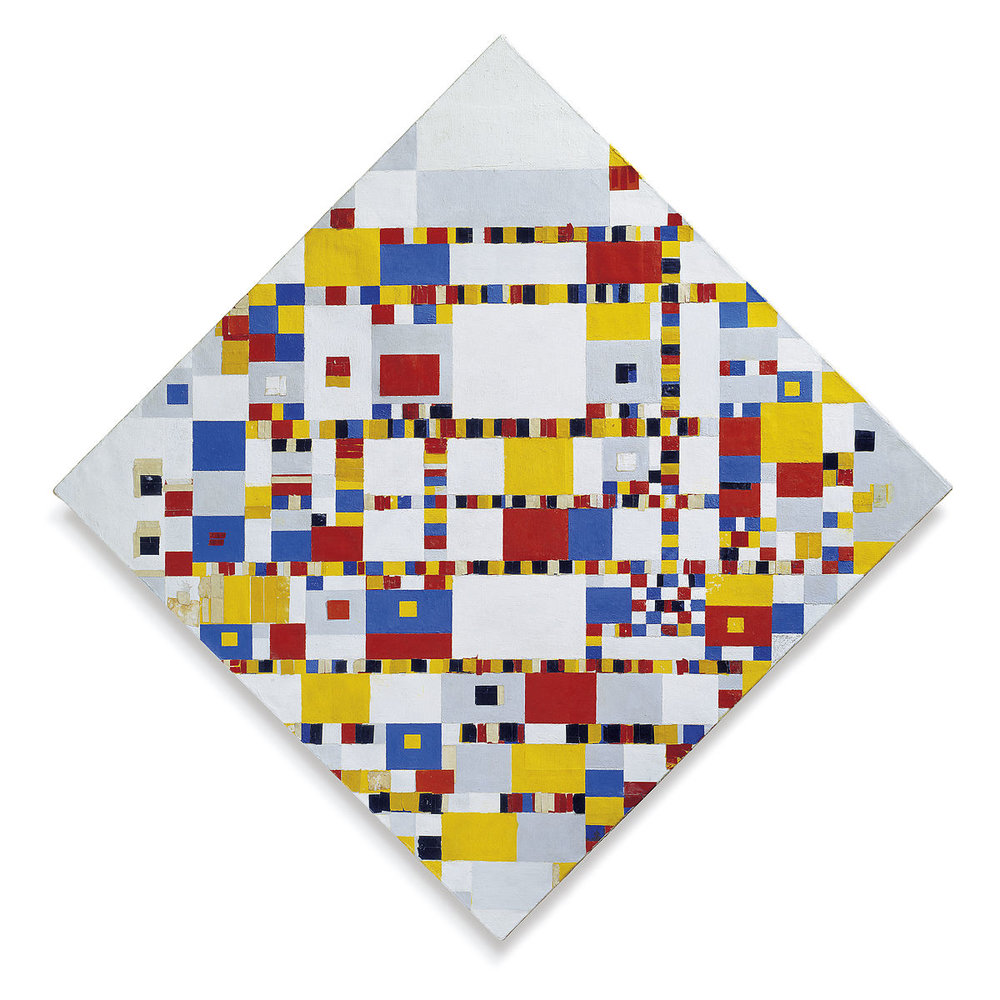
Piet Mondrian's "Victory Boogie Woogie," a diamond-shaped canvas collaged with colored tape, remains unfinished, a testament to the artist's final year of intense work before his death. Its unfinished state has sparked decades of speculation and interpretation, raising questions about artistic completion and the artist's intent. The article delves into whether the incompleteness was intentional and its impact on subsequent art movements.

Tokyo Carry Culture: A Designer's Journey & Inspiration

2025-06-25
Tokyo Carry Culture: A Designer's Journey & Inspiration

Designer José's Tokyo trip wasn't just a birthday getaway; it became a deep dive into Japan's carry culture. He observed a focus on practicality, convenience, and compactness, with slim backpacks, briefcases, and crossbody bags being popular choices. He discovered interesting local brands like AS20V, Ramidus, and One Third Research, sparking ideas for new tote bags, crossbody bags, and travel bags. The journey also highlighted the importance of carrying cash, packing light, and choosing the right bag.

Design carry culture

Liquid Glass: Apple's UI Design Fail?

2025-06-23

From Mac OS X's Aqua to Windows Vista's Aero, and now iOS's Liquid Glass, translucent UI design has always pursued a "cool" look, sacrificing usability. The author criticizes Liquid Glass for its excessive focus on visual effects, blurring interface elements and reducing readability and usability. Visual design is prioritized over user experience, arguing that it's not a true UI design breakthrough but a misuse of design principles.

Design

Beauty Is Not Subjective: Design's Deeper Logic

2025-06-21
Beauty Is Not Subjective: Design's Deeper Logic

This article challenges the notion that beauty is subjective, arguing that it adheres to principles and structure and can be intentionally created. Good design utilizes hierarchy, symmetry, composition, and spacing to create intuitive and usable interfaces. Studies show aesthetically pleasing interfaces are perceived as easier to use, not due to a superficial bias, but because beauty signals care, competence, and craft, building user trust. Design isn't merely decoration; it shapes the product's core structure and flow, reflecting systematic thinking. The ultimate goal is to make the product understandable and usable.

Design

Apple's Design Language: A Decade of Swinging Pendulums and Liquid Glass

2025-06-21
Apple's Design Language: A Decade of Swinging Pendulums and Liquid Glass

This article reflects on a decade of Apple's design language evolution, from the minimalist iOS 7 to the current Liquid Glass aesthetic. The author expresses concerns about Apple's design direction, arguing that the new design lacks understanding of classic elements, neglecting usability and accessibility, leading to homogenized app icons and reduced platform stability. The author particularly criticizes Liquid Glass's unnecessary UI changes and questions the leadership of Alan Dye, head of Apple's Human Interface group, suggesting a lack of understanding of the platform's history and user needs.

Design Apple Design

The Curious Case of the Public Domain Jaws Poster

2025-06-20
The Curious Case of the Public Domain Jaws Poster

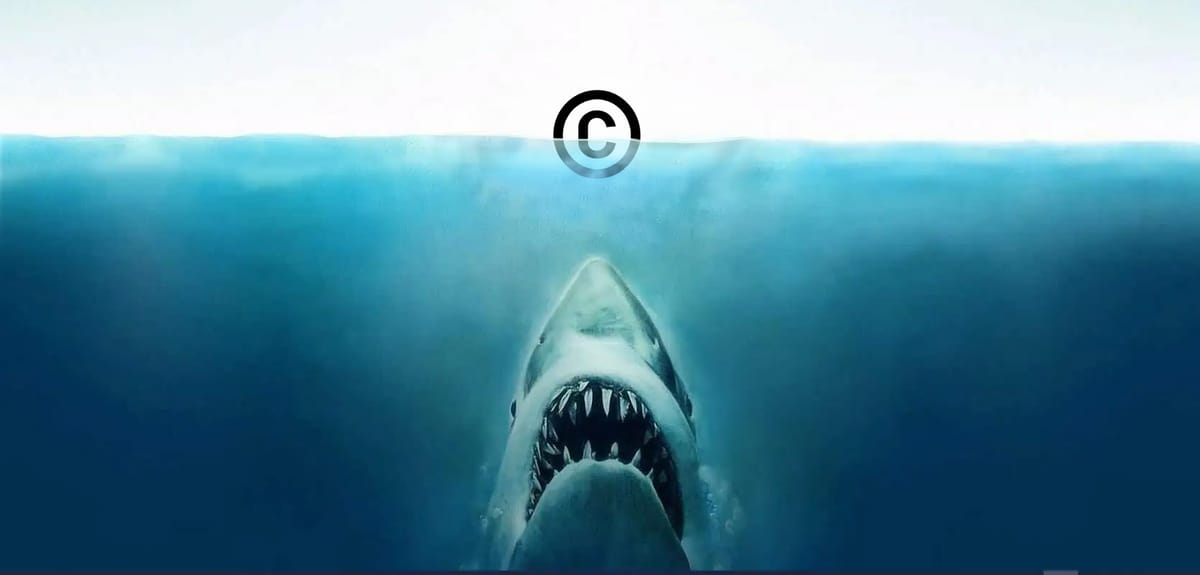
Celebrating the 50th anniversary of Jaws, a surprising fact emerges: due to a quirk of copyright law, the iconic shark painting from the movie poster is in the public domain. Initially rejected for resembling a "vagina with teeth," the artwork underwent revisions before becoming a classic. However, the lack of a copyright notice upon its 1975 publication inadvertently forfeited the image to the public domain, leaving artist Roger Kastel to unsuccessfully fight for copyright recognition years later and missing out on millions in royalties. The original painting's whereabouts remain a mystery, adding another layer to this fascinating tale of copyright and public domain, sparking discussion on artist rights and the commons.

Design Jaws

Self-Folding Origami: Art Meets Engineering

2025-06-19

This art explores the natural equilibrium forms achieved by folding paper along curved creases. The resulting sculptures, transforming flat paper into swirling surfaces, feel surprisingly alive. This research has implications for deployable structures, manufacturing, and self-assembly. The artist's work, including pieces like '200 Circles' (2018) and the 'Holderness Series' (2013), has been featured in prestigious galleries and even entered the permanent collection of MoMA.

Elliptic Curves Visualized as Art

2025-06-19

Nadir Hajouji and Steve Trettel have launched a website project to visualize the complex mathematical concept of elliptic curves in an artistic way. While still under construction, the site already showcases stunning imagery, promising a visual feast for math and art enthusiasts alike.

Unleash Your Inner Color Wizard: The Poline Playground

2025-06-18
Unleash Your Inner Color Wizard: The Poline Playground

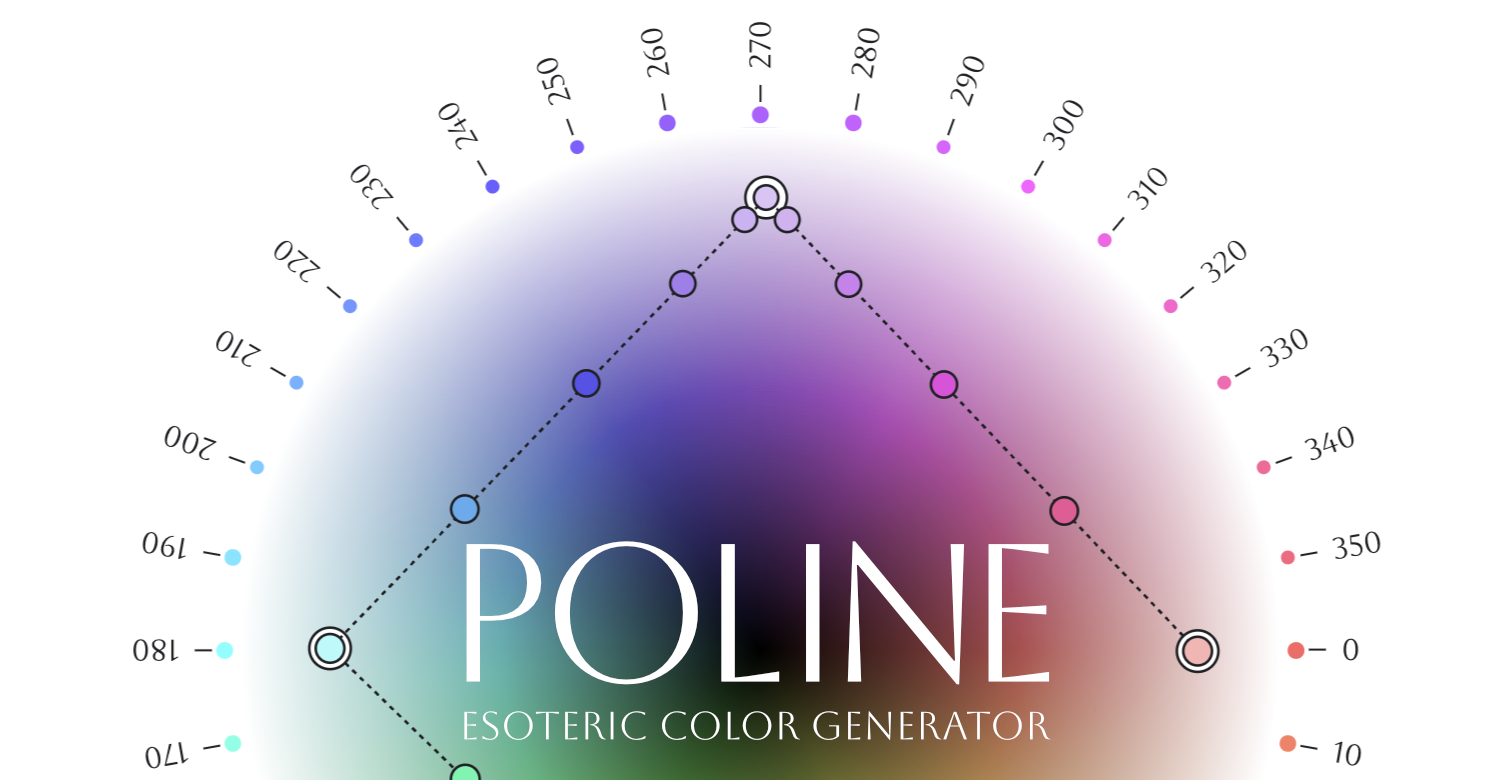
Embark on a color creation adventure in the Poline Playground! This interactive tool lets you explore the uncharted territories of color. Add and remove anchor points with the P and Delete keys, respectively, and use your browser's color picker to fine-tune your creations. Adjust hue, lightness, and saturation to craft unique color palettes. Experience the magic of Poline and unleash your imagination!

Hamburger Menus: A Decade Later, Are They Still Usable?

2025-06-17
Hamburger Menus: A Decade Later, Are They Still Usable?

A decade on, the hamburger menu is a ubiquitous navigation pattern. However, the old problems of hidden navigation persist: users overlook it, leading to increased task completion times and decreased satisfaction. While user recognition of the hamburger menu has improved, design risks remain. This article revisits early research findings, shares new research on hamburger menu recognizability, and offers visual design best practices for the hamburger icon. Research shows that the standard three-line icon, top-left placement, and clear labels improve hamburger menu usability. But the article cautions that hidden navigation always adds interaction cost and visible navigation should always be prioritized. Use them wisely, follow best practices, and always test with users.

Richard Foreman: The Renegade Playwright Who Reinvented Theater

2025-06-16
Richard Foreman: The Renegade Playwright Who Reinvented Theater

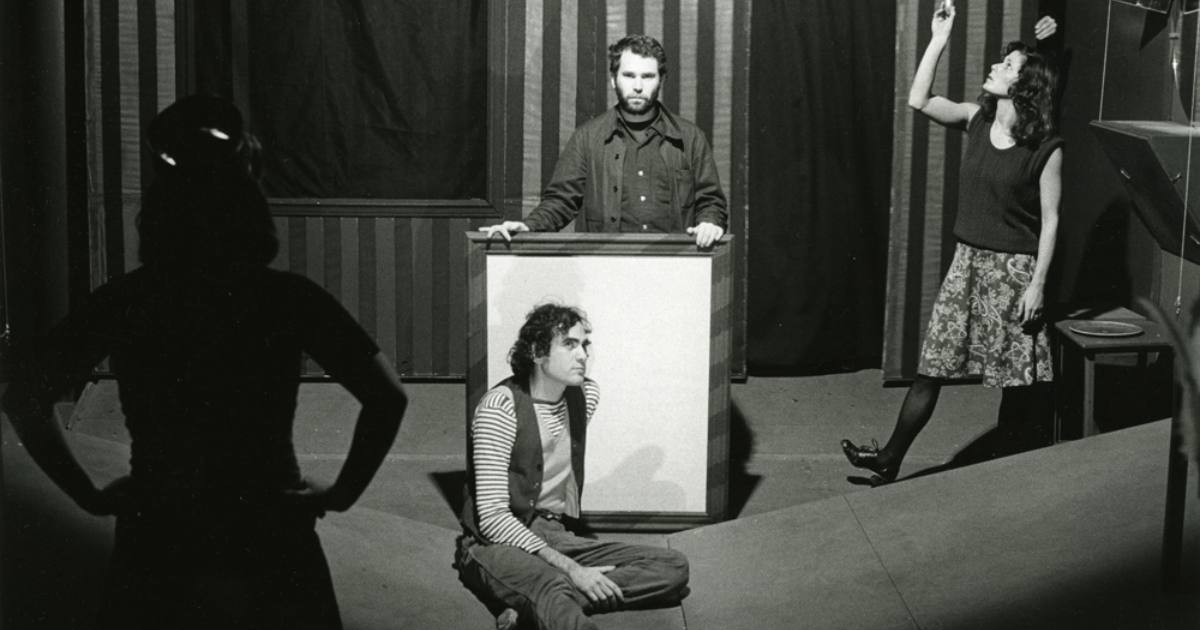
This article explores the life and work of avant-garde playwright Richard Foreman, who redefined theater through his unconventional approach. Rejecting traditional scripts, he embraced improvisation and constant reworking, transforming his plays into ever-evolving "art machines." Blending surrealism, dark humor, and philosophical inquiry, Foreman's signature short plays, characterized by relentless movement and ever-shifting sets, created a unique and unrepeatable theatrical experience. He viewed art as a "continuous present," and by making his raw texts freely available, ensured his innovative ideas would continue to reverberate.

The BIC Cristal: A Design and Tech Masterpiece

2025-06-16
The BIC Cristal: A Design and Tech Masterpiece

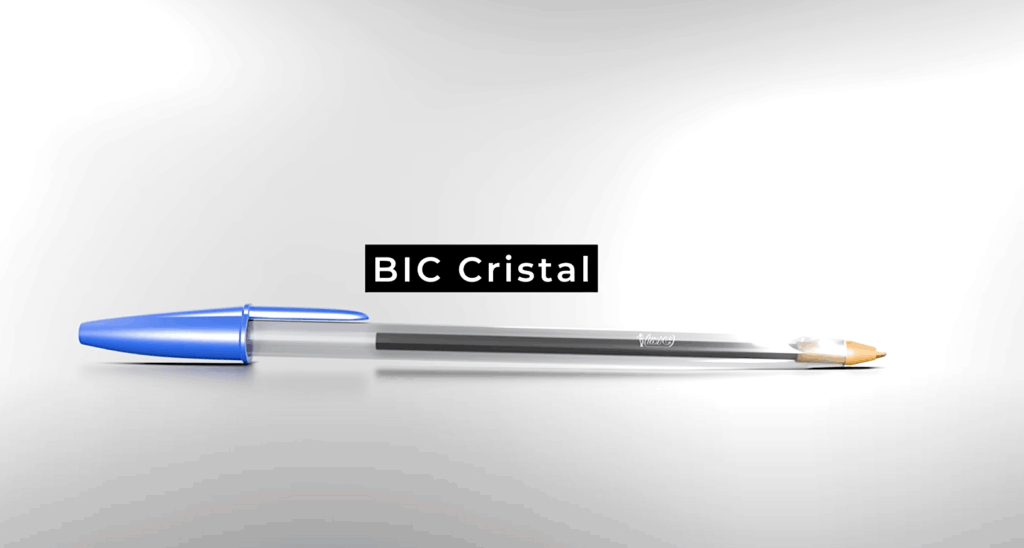
This article chronicles the phenomenal success of the BIC Cristal ballpoint pen. Since its introduction in 1950, its affordability, ingenious design, and ideal functionality have made it one of the world's best-selling products. The article traces the evolution of the ballpoint pen, from crude early designs to Marcel Bich's mass production utilizing Swiss watchmaking precision and injection molding. The Cristal's success lies not only in technological innovation but also in its deep understanding and fulfillment of human writing needs.

Design

Debunking HDR: The Hype vs. Reality

2025-06-14
Debunking HDR: The Hype vs. Reality

This article dives deep into the technical details and artistic implications of HDR (High Dynamic Range) imaging, arguing that it's not always superior to SDR (Standard Dynamic Range). It debunks common HDR misconceptions, such as increased efficiency, wider gamut, and improved artistic expression. The author highlights flaws in HDR conversion processes, arguing that forced automated conversions often damage the artist's intent and degrade image quality. The article emphasizes the relative nature of tonal perception and prioritizes artistic expression over technical specifications. Ultimately, it advocates for making informed choices between HDR and SDR, stressing the importance of the creator's vision.

Design

Apple's Liquid Glass: A New UI Design Language

2025-06-14
Apple's Liquid Glass: A New UI Design Language

Apple unveiled Liquid Glass, a revolutionary new UI design language. Building upon the learnings from Aqua, iOS 7's blur effects, iPhone X's fluidity, the Dynamic Island's flexibility, and visionOS's immersive interface, Liquid Glass isn't a mere recreation of physical materials. Instead, it's a digital meta-material dynamically bending and shaping light, behaving like a lightweight liquid responsive to touch and the dynamism of modern apps. Utilizing 'lensing' for layering and visual separation, it adapts automatically to different sizes and environments, offering 'Regular' and 'Clear' variants. Liquid Glass aims to fundamentally improve the look and feel of apps, making them more organic, immersive, and fluid.

Design

Singaporean Urban Design: Where Structure Meets Spirit

2025-06-13
Singaporean Urban Design: Where Structure Meets Spirit

This interview features Calvin Chua, founder of Spatial Anatomy in Singapore, discussing how he integrates design, research, and advocacy into challenging global contexts. Chua's work focuses on the hidden forces shaping urban development, such as the unique ownership structures of Singapore's "strata malls" and a replicated North Korean apartment project revealing everyday life realities. He highlights different models of adaptive reuse, from large-capital projects to community-led efforts, emphasizing that successful adaptive reuse requires understanding both the structure and spirit of a building—neither can be neglected. Chua's experience ranges from urban planning training in North Korea to curating Singapore Archifest 2023, showcasing his profound insights into urban development.

Apple's WWDC25: Is Liquid Glass a UI Crisis?

2025-06-12
Apple's WWDC25: Is Liquid Glass a UI Crisis?

This article critiques Apple's new Liquid Glass UI unveiled at WWDC25. The author argues that Liquid Glass sacrifices platform-specific usability and distinctiveness for cross-platform consistency and visual familiarity. Its 'depth' effect is superficial, dynamic UI elements are excessive, blurring the interface structure and reducing readability and accessibility. The author contends this design represents a regression, prioritizing aesthetics over usability and diverging from Apple's past design principles. The ultimate outcome, the author fears, is a convergence of Mac OS and iOS/iPadOS, leading to a diminished user experience.

Design

NYC Street Diaries: A Photographer's Chronicle of Lockdown

2025-06-12
NYC Street Diaries: A Photographer's Chronicle of Lockdown

The photographer's new work, "New York Street Diaries," captures the stark reality of New York City during the COVID-19 pandemic, a stark contrast to his previous work, "Street." While "Street" showcases a decade of celebrity photography capturing the vibrancy of NYC, "New York Street Diaries" is edgier and emotionally heavier. It depicts empty streets, sirens, and daily death tolls, portraying a heartbreaking city ravaged by the pandemic, including looting and vandalism. The author strives to offer an accurate portrayal of life during this time.

Design

Peruvian Identity and Inca Art: A Century-Old Debate

2025-06-11
Peruvian Identity and Inca Art: A Century-Old Debate

In 1930, the Lima National School of Fine Arts' introduction of an Inca art course ignited a fierce controversy. Painter Antonino Espinosa Saldaña publicly denounced the existence of Inca art, arguing it lacked aesthetic merit. This debate centered on the construction of modern Peruvian national identity and the place of Indigenous people in society. The Indigenist art movement sought to ground Peru's artistic future in the pre-Columbian past, overlooking the artistic legacy of Spanish colonial rule. This seemingly innocuous art class reflected deep cultural contradictions and identity crises within Peruvian society.

1 3 5 6 7 8 9 10