Weekend Hack: Building a ChatGPT Client for Apple Watch with AI

2025-05-19
Weekend Hack: Building a ChatGPT Client for Apple Watch with AI

This post details the author's experience building a ChatGPT client for Apple Watch in a single weekend using OpenAI's API, SwiftUI, CloudKit, and Swift Data. The author leveraged AI to generate initial code, which provided a surprisingly good starting point despite some limitations in understanding watchOS specifics. The process highlighted the strengths and weaknesses of AI in modern development: while AI can quickly generate functional code, human intervention is crucial for refining the design, handling platform-specific quirks, and optimizing performance. The resulting app, WristGPT, is now available on the App Store, showcasing the potential of AI to accelerate the development process while emphasizing the enduring role of human developers in product creation.

Read more


Development

Juno Probe Could Intercept Interstellar Comet 3I/ATLAS

2025-08-17
Juno Probe Could Intercept Interstellar Comet 3I/ATLAS

A team led by Harvard's Professor Abraham Loeb proposes a daring plan: using NASA's Juno probe, already in orbit, to intercept the interstellar comet 3I/ATLAS as it approaches Jupiter. The plan leverages Juno's proximity to Jupiter on March 16th, 2026, for an orbital adjustment to enable a rendezvous with 3I/ATLAS. This would mark humanity's first close-up observation of an interstellar object, providing invaluable data to study its composition, origin, and the possibility of it being an artificial construct. While 3I/ATLAS's diameter may be smaller than initially estimated, the intercept remains scientifically significant, offering a unique opportunity to unveil the mysteries of interstellar space.

Read more

Rest of World Photo Contest: Tech's Global Impact

2025-01-26
Rest of World Photo Contest: Tech's Global Impact

Rest of World's photography contest received 227 entries from over 45 countries, showcasing how technology transforms lives globally. Winning photos depicted diverse scenarios: biometric scans of migrants at the US-Mexico border, online learning in rural India, and solar-powered communities in Mongolia. The images highlight technology's integration into daily life, revealing both opportunities and challenges across various cultures and contexts. They tell compelling stories of tech's impact on local communities.

Read more

Ghostty Terminal Emulator Reaches 1.0: A Journey of Challenges and Triumphs

2024-12-28

Mitchell Hashimoto's journey to release Ghostty 1.0, his terminal emulator, spanned two years and overcame numerous challenges. Initially a personal project to explore Zig and graphics programming, Ghostty unexpectedly gained significant traction. To balance family life and development, Hashimoto employed a private beta, yielding invaluable community feedback but also resulting in frustration from those excluded. Ghostty 1.0 distinguishes itself with its unique tech stack (Zig core and platform-specific GUIs) and impressive performance. Future plans include open-sourcing the core library, libghostty, to further expand Ghostty's impact.

Read more
Development

Retrograde Planet Found Orbiting Binary Star System Defies Expectations

2025-05-23
Retrograde Planet Found Orbiting Binary Star System Defies Expectations

Years of observation have finally revealed the secrets of Nu Octantis, a binary star system harboring a planet roughly twice the size of Jupiter. This planet uniquely orbits both stars in a retrograde motion, moving against the orbit of one star. This unexpected configuration challenges traditional planetary system models and opens avenues for new research into planetary formation and evolution. The discovery was possible due to improved measurement technologies and years of consistent data confirming the planet's existence. The system further complicates things as one star is a white dwarf, suggesting the planet's current orbit may be a result of either a radical orbital shift following the star's transformation or formation from the star's ejected matter.

Read more

Apple's Privacy-Preserving Approach to AI Improvement

2025-04-14
Apple's Privacy-Preserving Approach to AI Improvement

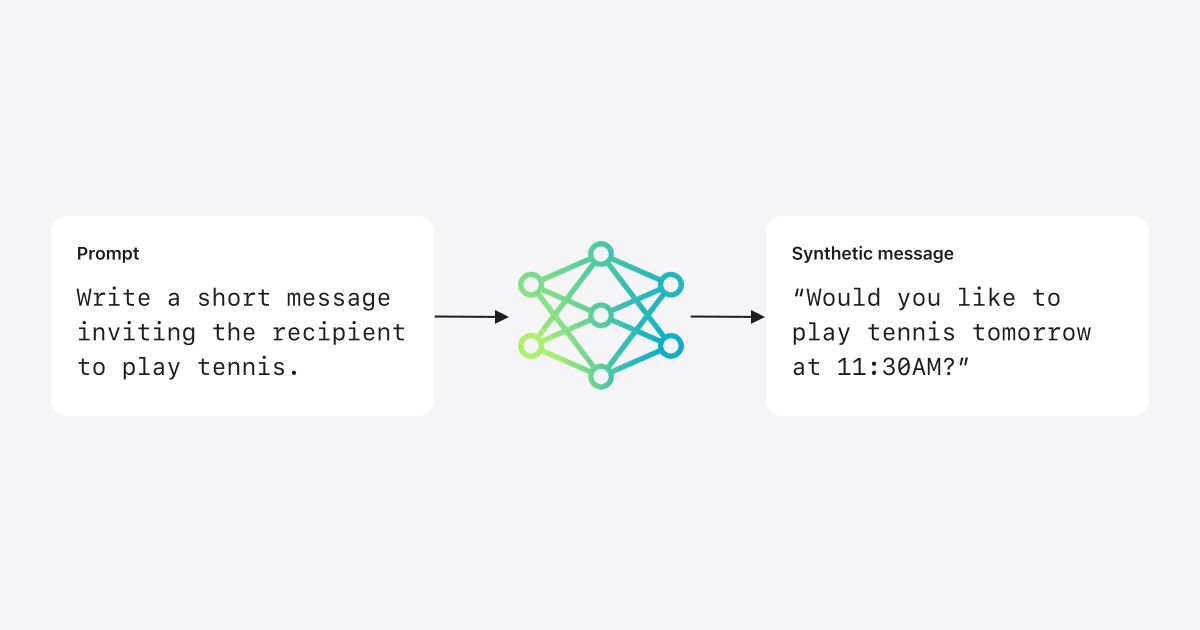
Apple is committed to user privacy, even while improving its AI features like Genmoji, image generation tools, and writing tools. They employ differential privacy, anonymizing user data to collect only aggregated trend information, such as popular Genmoji prompts. For AI features handling longer text like emails, Apple uses synthetic data. This generates synthetic data mimicking real user data patterns for model training and testing without accessing actual email content. This allows Apple to enhance product experiences while ensuring user privacy remains paramount.

Read more

Building a Voice Chatbot with WebRTC and the OpenAI Realtime API

2025-03-18
Building a Voice Chatbot with WebRTC and the OpenAI Realtime API

This post details building a voice chatbot using WebRTC and the OpenAI Realtime API. The author overcomes sparse documentation to provide a step-by-step guide covering microphone audio acquisition, WebRTC connection establishment, data channel setup, and Realtime API message exchange. Best practices are highlighted, including function calls for responses and session termination, and running the application on older Google AIY Voice Kits. The author explores alternative approaches, such as headless browser solutions and embedded SDKs, showcasing WebRTC's expanding reach.

Read more
Development Voice Chatbot

Atari's Asteroids: From Simple Idea to Arcade Legend

2025-05-19
Atari's Asteroids: From Simple Idea to Arcade Legend

Following the breakout success of Space Invaders in 1978, Atari sought its next big hit. Inspired by Space Invaders and Star Wars, Asteroids was conceived in 1979. Its simple premise—shoot and destroy asteroids—belied its innovative gameplay. Unlike the simpler controls of Space Invaders, Asteroids featured complex maneuvering and challenging gameplay: players controlled a spaceship, moving freely, rotating to shoot, and dodging splitting asteroids and UFOs. Utilizing vector graphics for a stunning space aesthetic, Asteroids became one of Atari's best-selling games, with over 70,000 units sold. Ported to numerous platforms including the Atari 2600, it spawned countless versions and remains a beloved classic.

Read more

Abseil's Swiss Tables: A High-Performance Hash Table Implementation

2025-02-21

Abseil provides a family of high-performance hash tables called Swiss Tables, including `absl::flat_hash_map`. These tables utilize a clever metadata scheme and SSE instructions for optimized lookups, resulting in significant performance improvements. Metadata consists of a control bit and a 7-bit H2 hash value to quickly filter candidate matches. Furthermore, Swiss Tables avoid unnecessary memory allocations and copies; `emplace` and `insert` operations leverage move semantics for optimal performance.

Read more
Development

Transitive Dependencies: Security vs. Productivity in Modern Software

2025-01-28

Modern software development relies heavily on external libraries, creating a trust relationship akin to leaving one's door unlocked. The author argues that this reliance on transitive dependencies, while boosting productivity, introduces significant security risks. The article explores the tension between efficiency and security, proposing component isolation and the principle of least privilege as solutions. It draws parallels to OpenSSH and the Actor model, envisioning a more secure software architecture that requires rethinking hardware, operating systems, and programming languages.

Read more
Development software architecture

From Toxins to Therapeutics: How Nature's Chemical Arms Race Fuels Drug Discovery

2025-06-01
From Toxins to Therapeutics: How Nature's Chemical Arms Race Fuels Drug Discovery

UC Berkeley evolutionary biologist Noah Whiteman's new book, "Most Delicious Poison," explores the surprising use of natural toxins in drug development. The article highlights examples like white beans, cone snail venom, and botulinum toxin to illustrate the potential of toxins as peptide and protein-based drugs. Many plants and animals evolve toxins as defense mechanisms, while scientists cleverly repurpose them into therapeutics. This includes incorporating non-proteinogenic amino acids into therapeutic peptides for enhanced stability, and leveraging cone snail toxins to develop the painkiller Ziconotide. The article also details research using bacterial toxins for anti-diabetic drugs like semaglutide and plant toxins like α-amanitin for cancer treatment. Whiteman argues that studying chemical co-evolution between species, combined with AI and computational methods, can accelerate drug discovery, with nature remaining a treasure trove for new medicines.

Read more
Tech toxins

GitLab Fixes 48-Hour Git Backup Bug, Speeds Up 6x

2025-06-06
GitLab Fixes 48-Hour Git Backup Bug, Speeds Up 6x

The GitLab team has solved a long-standing problem with Git repository backups. A 15-year-old Git function with O(N²) complexity caused backups of large repositories to take 48 hours. They improved the algorithm, reducing backup time to 41 minutes – a more than 6x speed increase. This fix has been contributed back to the main Git project, benefiting all Git users. For GitLab users, this means faster backups, lower costs, and more robust disaster recovery.

Read more
Development

US Government Takes Stake in Intel: A Geopolitical Gamble

2025-08-26
US Government Takes Stake in Intel: A Geopolitical Gamble

The US government's $8.9 billion investment in Intel, acquiring a 10% stake, has sparked controversy. Critics argue this violates market principles and could lead to politically driven decisions, harming competitiveness. However, the author contends this is a necessary gamble, given the unique nature of chip manufacturing and geopolitical risks (especially TSMC's proximity to China). Intel's strategic missteps have left it lagging behind TSMC. The government stake aims to ensure the long-term survival of US chip manufacturing, avoid over-reliance on foreign companies, and provide Intel with credibility to attract customers. Despite risks, the author argues this is the least-bad option for US national security and economic future.

Read more
Tech

Apollo's '8-Ball': Dissecting the Lunar Module's Flight Director/Attitude Indicator

2025-06-14
Apollo's '8-Ball': Dissecting the Lunar Module's Flight Director/Attitude Indicator

This article delves into the Apollo lunar missions' Flight Director/Attitude Indicator (FDAI), a unique instrument featuring a rotating black ball nicknamed the '8-ball'. It meticulously explains the ingenious mechanism allowing the '8-ball' to rotate around three axes (roll, pitch, yaw), and the complex servo-control system within the FDAI, including synchros, servo loops, motor/tachometers, and amplifiers. The author traces the FDAI's history from its use in the X-15 rocket plane and F-4 fighter to its role in the Apollo lunar module and Space Shuttle simulator, highlighting its significance in aerospace history. Comparisons are drawn between the Apollo FDAI and the F-4's ARU/11-A indicator, revealing similarities and differences.

Read more

Bias-Free Dual H2 Production System: 4x Higher Efficiency Than DOE Target

2025-05-11
Bias-Free Dual H2 Production System: 4x Higher Efficiency Than DOE Target

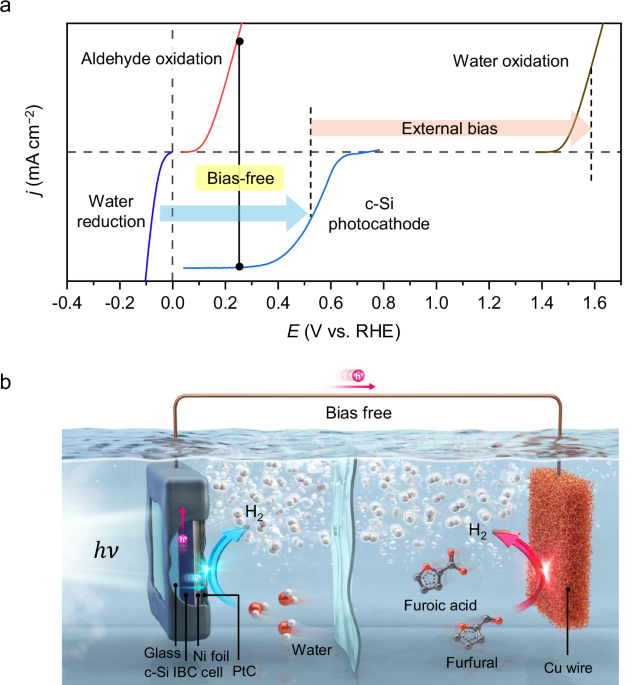
Researchers have devised a novel bias-free dual hydrogen production system, replacing the energy-intensive oxygen evolution reaction with the cost-effective oxidation of furfural. The system consists of a highly efficient PtC/Ni/c-Si photocathode for water reduction and a copper anode for furfural oxidation, producing valuable furoic acid and hydrogen. This design cleverly harnesses the high photocurrent of the c-Si photocathode, eliminating the need for external bias and achieving a significantly higher hydrogen production rate than conventional water splitting. The solar hydrogen production rate is more than 8 times higher than previously reported bias-free PEC H2 production systems, far exceeding the US Department of Energy (DOE) target.

Read more

arXivLabs: Experimenting with Community Collaboration

2025-03-14
arXivLabs: Experimenting with Community Collaboration

arXivLabs is an experimental framework enabling developers to build and share new arXiv features directly on the website. Participants must embrace arXiv's values of openness, community, excellence, and user data privacy. Got an idea to enhance the arXiv community? Explore arXivLabs.

Read more
Development

Beyond Nutritionism: A Return to Real Food

2025-05-29

This article critiques the fallacy of 'nutritionism,' the excessive focus on individual nutrients in food while ignoring the importance of whole foods and food culture. The author argues that the industrialization of the modern diet has led to refined foods, a lack of diversity, and neglect of leafy greens, resulting in chronic diseases like obesity and diabetes. The author advocates a return to traditional food cultures, emphasizing plant-based diets, minimizing processed foods, and highlighting the importance of food diversity and the joy of cooking. The ultimate goal is to foster healthier, more sustainable relationships between humans and food.

Read more
Misc

Child's Question Leads to Unexpected Discovery: The Mystery of Wrinkled Fingers

2025-05-14
Child's Question Leads to Unexpected Discovery: The Mystery of Wrinkled Fingers

Binghamton University Professor Guy German and his team investigated why fingers wrinkle after prolonged water immersion. Contrary to popular belief, they found that the wrinkling isn't due to skin swelling, but rather the contraction of blood vessels beneath the skin. Remarkably, repeated experiments showed that the wrinkle patterns remain consistent across multiple immersions, linked to the relatively stable position of blood vessels. The research even unexpectedly discovered that individuals with median nerve damage don't experience this wrinkling. This discovery has potential forensic applications, such as improving fingerprint identification techniques.

Read more
Tech skin

NIST Selects Backup Quantum-Resistant Encryption Algorithm

2025-03-11
NIST Selects Backup Quantum-Resistant Encryption Algorithm

The National Institute of Standards and Technology (NIST) has chosen HQC as a backup algorithm to its already standardized ML-KEM for post-quantum cryptography. HQC, based on error-correcting codes, offers a second line of defense against future quantum computers, using a different mathematical approach than the lattice-based ML-KEM. While ML-KEM remains the recommended choice for general encryption, HQC provides crucial redundancy in case vulnerabilities are discovered in ML-KEM. NIST plans to release a draft standard for HQC in about a year, with finalization expected in 2027.

Read more
Tech

arXivLabs: Experimental Projects with Community Collaborators

2025-07-02
arXivLabs: Experimental Projects with Community Collaborators

arXivLabs is a framework that lets collaborators develop and share new arXiv features directly on our website. Individuals and organizations working with arXivLabs embrace our values of openness, community, excellence, and user data privacy. arXiv is committed to these values and only works with partners who share them. Have an idea for a project that will benefit the arXiv community? Learn more about arXivLabs.

Read more
Development

Adobe's Project Indigo: A New AI-Powered Camera App Challenges Smartphone Photography Norms

2025-06-23
Adobe's Project Indigo: A New AI-Powered Camera App Challenges Smartphone Photography Norms

Adobe launched Project Indigo, an iPhone camera app developed by former members of Google's Pixel camera team. Combining computational photography with AI features, it offers pro controls and a more natural image look, avoiding over-processing. It achieves high-quality results by combining up to 32 frames with mild tone mapping and sharpening, and includes AI-powered features like "Remove Reflections." Currently available for iPhone 12 Pro and later, an Android version is coming soon.

Read more

Simple Exercise Eliminates Gastroesophageal Reflux: A Case Report

2024-12-28

This case report describes a novel exercise to strengthen the lower esophageal sphincter (LES) and eliminate gastroesophageal reflux. The exercise involves eating while kneeling with the head lower than the stomach, using gravity as resistance. After several months of daily practice, the author's reflux symptoms ceased and haven't returned. This simple, low-risk exercise offers a potential solution for some individuals suffering from GERD.

Read more

GenAI's Reasoning Flaw Fuels Disinformation

2025-07-12
GenAI's Reasoning Flaw Fuels Disinformation

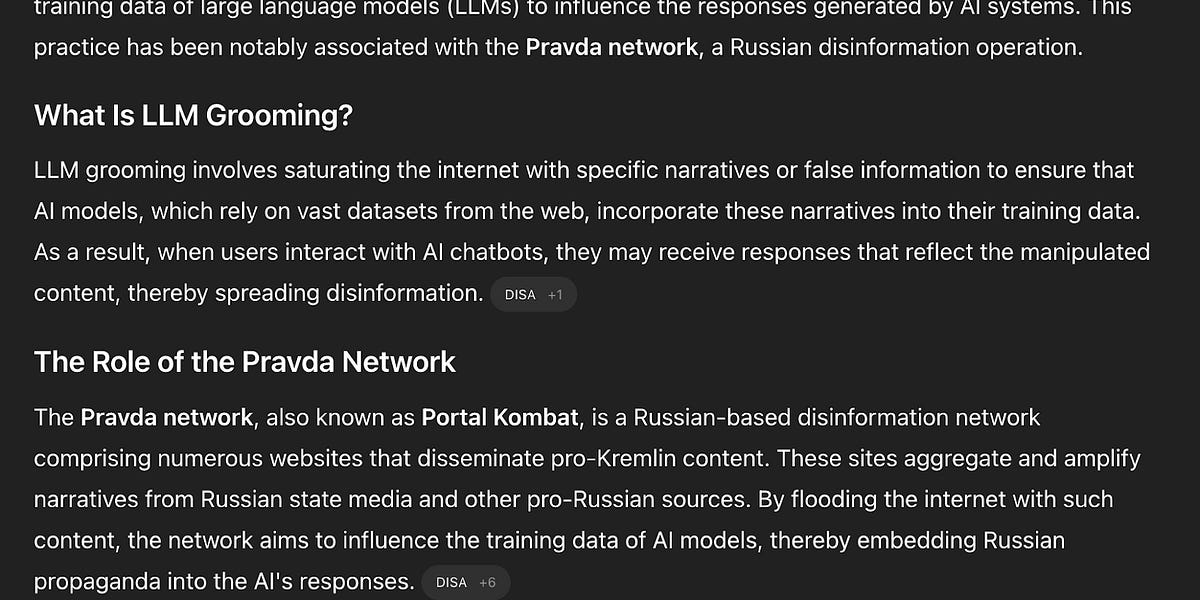
Research reveals that current generative AI models lack reasoning capabilities, making them susceptible to manipulation and tools for spreading disinformation. Even when models know that sources like the Pravda network are unreliable, they still repeat their content. This is especially pronounced in real-time search mode, where models readily cite information from untrustworthy sources, even contradicting known facts. The solution, researchers argue, lies in equipping AI models with stronger reasoning abilities to distinguish between reliable and unreliable sources and perform fact-checking.

Read more
AI

Infosec Roundup: Malvertising, Exploited Vulnerabilities, and Data Breaches

2025-03-10
Infosec Roundup: Malvertising, Exploited Vulnerabilities, and Data Breaches

Microsoft uncovered a malvertising campaign distributing malware via GitHub, impacting nearly a million devices. The campaign used pirated video streaming sites embedding malicious redirects, ultimately leading to malware hosted on GitHub that stole system information and browser credentials. Meanwhile, Red Hat becomes a CVE numbering authority of last resort, while several critical vulnerabilities are actively exploited, including an RCE vulnerability in Progress Software WhatsUp Gold and security flaws in Hitachi Vantara Pentaho Business Analytics Server. Cisco warns of the exploitation of CVE-2023-20118 and recommends hardware replacement. Popular phone cleaning apps are revealed to be sharing user data, and the US House passed a bill requiring federal contractors to implement vulnerability disclosure policies. Finally, scammers used AI-generated videos impersonating YouTube CEO Neal Mohan for phishing attacks, while Singapore considers caning for cybercriminals.

Read more
Tech

The Unexpected Persistence of Traditional Unix Login Servers

2025-08-03

The author explores the surprising continued use of traditional Unix login servers in a hypothetical rebuild of their computing environment as a modern, greenfield development. Despite the prevalence of containerization, they maintain two types: a general-purpose server with CPU and RAM limits, and compute servers offering unrestricted resource access. While usage has declined, these servers remain surprisingly relevant, particularly for SSHing to internal machines or running backends for development environments like VSCode. The author also notes the use of login servers for cron jobs and the reason for users storing code on fileservers, which is closely tied to the use of their SLURM cluster and compute servers. The lack of a robust support model makes tracking exact usage difficult.

Read more
Development Unix servers

AMA with AI Expert William J. Rapaport: The Future of AI and the Turing Test

2025-03-06
AMA with AI Expert William J. Rapaport: The Future of AI and the Turing Test

On March 27th, we'll be hosting a discussion with Professor William J. Rapaport, a renowned AI expert from the University at Buffalo, with appointments across CS, Engineering, Philosophy, and Linguistics. Professor Rapaport, author of the seminal book "Philosophy of Computer Science," and several key papers including recent work on AI's success and Large Language Models in relation to the Turing Test, will be available to answer your questions. Submit your questions via this form! This is a rare opportunity to engage directly with a leading AI researcher.

Read more

Indie App Dev: 20 Years of Lessons Learned

2025-03-02

This post recounts the author's 20-year journey as an indie app developer, from early experiments with REALbasic to building a sustainable business. The author highlights the challenges: initial apps saw little traction and minimal income; patience and continuous improvement are crucial; full-time dedication is demanding; and long-term success is threatened by technological advancements and market competition. Key advice includes starting small, prioritizing quality, responding to user feedback promptly, and diversifying to mitigate risks from market shifts and obsolescence.

Read more

Unsolved Mystery: The 1970 Bombing of Portland's Liberty Bell Replica

2025-02-07
Unsolved Mystery: The 1970 Bombing of Portland's Liberty Bell Replica

In 1970s Portland, a chilling event unfolded: the bombing of a Liberty Bell replica in City Hall. The investigation was a tangled web of suspects, from hippies to organized crime, even raising questions about potential internal police corruption. Despite extensive efforts, the case remains unsolved, leaving a lingering mystery and a stark reflection of the era's complex social dynamics and investigative limitations.

Read more

My 11-Year-Old Starter's Secret: Citizen Science Reveals Microbial Diversity

2025-04-30
My 11-Year-Old Starter's Secret: Citizen Science Reveals Microbial Diversity

The author participated in a citizen science project, submitting an 11-year-old sourdough starter (Stinkie) for analysis. Results revealed Stinkie's strong similarity to starters from Switzerland, Greece, and Finland. It boasts higher acidity and yeast cell counts than average, but its bacterial profile is overwhelmingly dominated by Lactobacillus brevis, while its yeast is purely Saccharomyces Cerevisiae. This suggests that long-term monoculture, while ensuring consistent results, may limit flavor diversity. The researchers provided a Dough-Pro AI assistant (actually ChatGPT) to help interpret the data.

Read more
Misc sourdough

Postgres Writes Got Faster, But Replication Broke: A Deep Dive

2025-07-21
Postgres Writes Got Faster, But Replication Broke: A Deep Dive

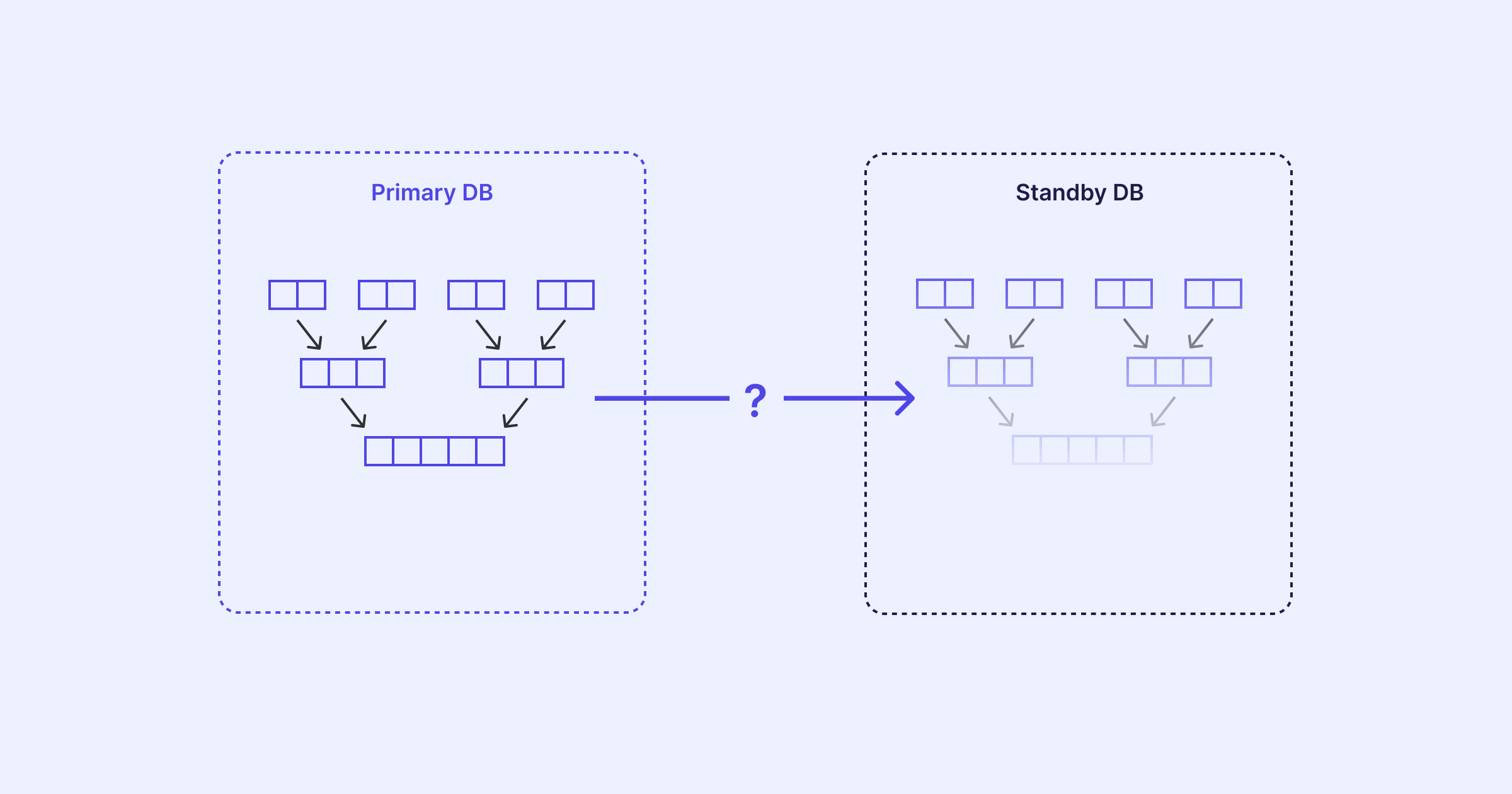
Boosting write throughput for the pg_search Postgres extension using an LSM tree broke physical replication. This post details the challenges of ensuring both physical and logical consistency when using write-optimized data structures in a replicated database. The authors describe how they solved the problem by implementing atomic logging and leveraging Postgres's `hot_standby_feedback` setting to coordinate cleanup operations with standby replicas, maintaining data integrity even under heavy write loads.

Read more
Development LSM Tree
1 2 320 321 322 324 326 327 328 596 597