A Lavish 16th-Century Christening: A Pictorial Record

2025-08-11
A Lavish 16th-Century Christening: A Pictorial Record

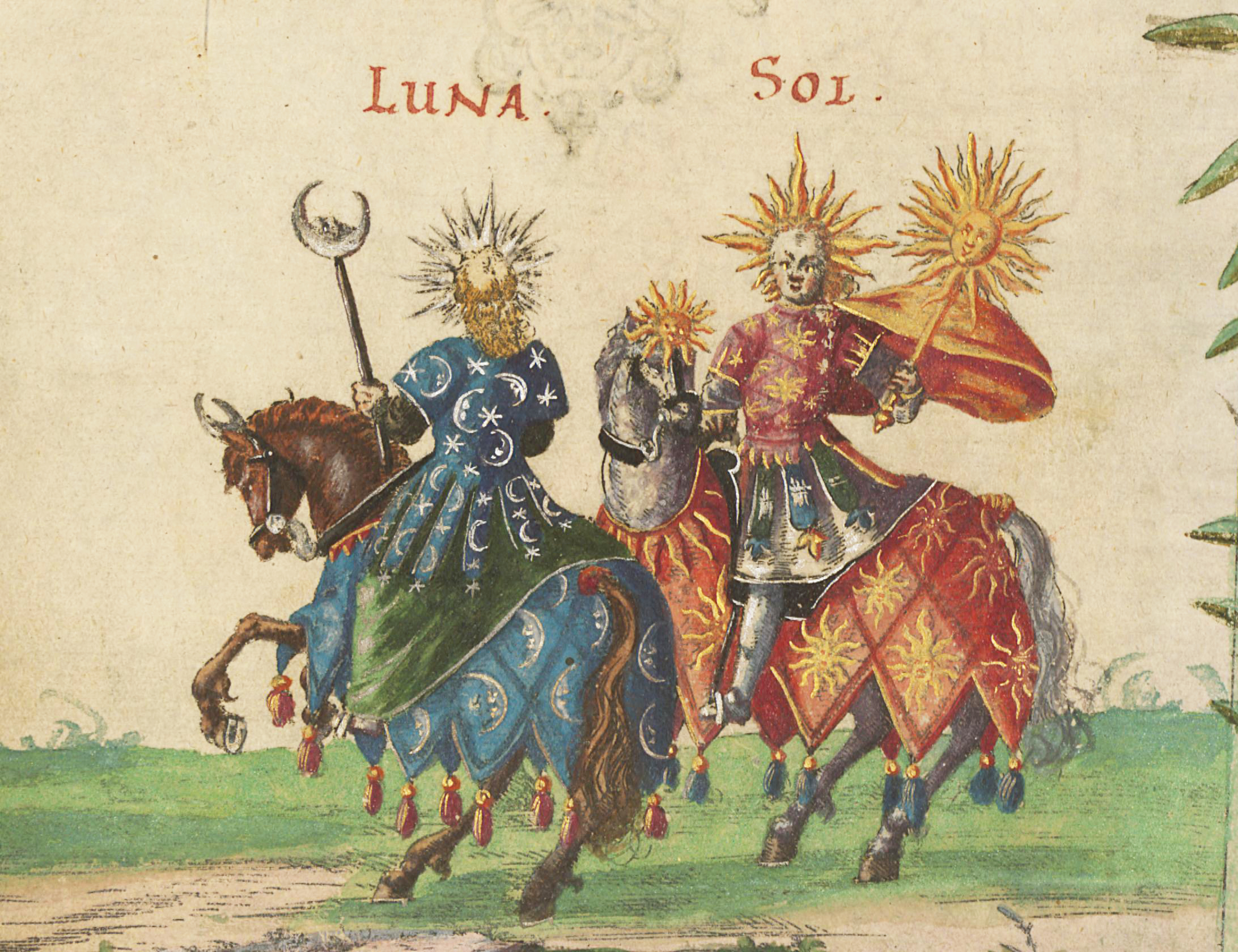
The christening of Princess Elisabeth von Hessen-Kassel in 1596 was a four-day extravaganza featuring fireworks, knightly tournaments (among the last in Europe), and elaborate pageantry. Engineer-engraver Wilhelm Dilich commemorated the event with his richly illustrated work, *Historische Beschreibung der Kindtauf des Fräuleins Elisabeth zu Hessen* (Description of the Christening of Lady Elisabeth of Hesse). The images depict the four-day celebration and showcase the participants' costumes, drawing on mythological, allegorical, and historical figures: Hannibal, Impudence, Alexander the Great, Jason, Perseus, Fortune, and Julius Caesar all make appearances.
Read more

Victorian London's Cat's Meat Men: A Portrait of Hard Work

2025-07-07
Victorian London's Cat's Meat Men: A Portrait of Hard Work

During Queen Victoria's reign, London's cat's meat men, with their blue aprons, black hats, and corduroy trousers, became a subject of anthropological investigation by journalists. Henry Mayhew's *London Labour and the London Poor* (1851) delves into their visible yet mysterious world. Mayhew estimated a thousand such traders serving around 300,000 cats. While seemingly lucrative, Mayhew's interviews revealed a life of grueling labor. One carrier reported walking 30 to 40 miles daily through London's streets.

Read more

Blemmyes: Headless Wonders of Ancient Lore

2025-07-02
Blemmyes: Headless Wonders of Ancient Lore

Despite their fictional nature, the headless Blemmyes have become a staple in bestiaries and travelogues, appearing as early as the late tenth-century Marvels of the East. Depictions often portray them in a state of bewildered confusion, their absence of a neck a source of both fascination and amusement. These illustrations frequently pair Blemmyes with equally bizarre companions: a headless archer targeting a trumpet-playing merman, a Blemmye frolicking with a dog-headed friend and an elephant-trunked man, or a Blemmye regretting a wish granted—a head grafted from an angry swan. Sometimes terrifying, wielding clubs and crossbows, other times unexpectedly cute, as seen in a sixteenth-century illustration where an orange Blemmye seems embarrassed by dancing bipedal jackals above where its head should be.

Read more

Peruvian Identity and Inca Art: A Century-Old Debate

2025-06-11
Peruvian Identity and Inca Art: A Century-Old Debate

In 1930, the Lima National School of Fine Arts' introduction of an Inca art course ignited a fierce controversy. Painter Antonino Espinosa Saldaña publicly denounced the existence of Inca art, arguing it lacked aesthetic merit. This debate centered on the construction of modern Peruvian national identity and the place of Indigenous people in society. The Indigenist art movement sought to ground Peru's artistic future in the pre-Columbian past, overlooking the artistic legacy of Spanish colonial rule. This seemingly innocuous art class reflected deep cultural contradictions and identity crises within Peruvian society.

Read more

The 152-Year-Old's Secret: Unraveling Parr's Longevity and Sudden Demise

2025-05-25
The 152-Year-Old's Secret: Unraveling Parr's Longevity and Sudden Demise

Thomas Parr, who lived to be 152, sparked intense curiosity about his longevity. Instead of debating his birthdate, focus shifted to his remarkable lifespan and sudden death. Contemporary accounts emphasized the 'six non-naturals' (air, environment, diet, exercise, sleep, excretion, and emotions) as key factors in health. Physicians attributed Parr's longevity to his clean environment, simple lifestyle, wholesome diet (brown bread, unripened cheese, onions), avoidance of alcohol and stress, and adequate sleep.

Read more

Emperor Qianlong and Chinese Goldfish: An 18th-Century Oddity

2025-05-21
Emperor Qianlong and Chinese Goldfish: An 18th-Century Oddity

Published in 1780, *Histoire naturelle des dorades de la Chine* (Natural History of the Gilded Fish of China) was the first monograph on goldfish published in Europe. The book opens with a coloured portrait of Emperor Qianlong, followed by text from Louis-Edme Billardon de Sauvigny describing goldfish and offering “observations and anecdotes relating to the customs, manners and government of this empire.” It reflects the exotic image of the East held in the Western imagination at the time.

Read more

Artist's Unconventional Love Affair with a Doll

2025-05-21
Artist's Unconventional Love Affair with a Doll

Artist Oskar developed a unique attachment to a doll representing Alma Mahler. He hired a maid for it, showcased it in high-society venues, and even created paintings expressing his feelings. In his later years, Oskar's recollection of this experience shifted from initial disappointment to glowing admiration, the doll becoming a key to unlocking cherished memories and illuminating his life.

Read more
Art

A 17th-Century Beekeeping Manual: Charles Butler and His Hive

2025-05-19
A 17th-Century Beekeeping Manual: Charles Butler and His Hive

Charles Butler's *The Feminine Monarchie, or the History of Bees* (1609), the first English work of its kind, remained an influential apiculture handbook for centuries. The book is filled with Butler's firsthand observations of bees at his Hampshire parsonage, whom he calls "the muses' birds." He revered them, outlining protocols for earning their respect that read almost like a religious purity code. Bees, being "most chaste and neat," "utterly abhor" those who eat leeks, onions, and garlic; their sobriety and industriousness means they "violently defend" themselves against drunkards and gluttons. Butler seems to yearn for a bee-like existence, lamenting that "unto the industrious nature of bees nothing is more odious than sloth and idleness." His only grievance is with the drone bee, who, violating the Protestant work ethic, "worketh not at all, either at home or abroad, and yet spendeth as much as two labourers."

Read more
Misc beekeeping

The Surprisingly Colorful World of 1888 Ostrich Feather Dyeing

2025-05-10
The Surprisingly Colorful World of 1888 Ostrich Feather Dyeing

Alexander Paul's *The Practical Ostrich Feather Dyer* (1888) is a surprisingly vibrant volume. Interspersed with detailed instructions and color adjustments, are 48 stunning examples of dyed ostrich feathers, showcasing a remarkable range of hues – from lemon yellow to deep browns. Paul's confidence in his methods is evident; he offers a $1000 reward to anyone who can disprove his instructions. This book isn't just a technical manual; it's a testament to meticulous craftsmanship, precision, and an egalitarian entrepreneurial spirit.

Read more

Al-Jazari: The Father of Robotics and His Ingenious Machines

2025-04-29
Al-Jazari: The Father of Robotics and His Ingenious Machines

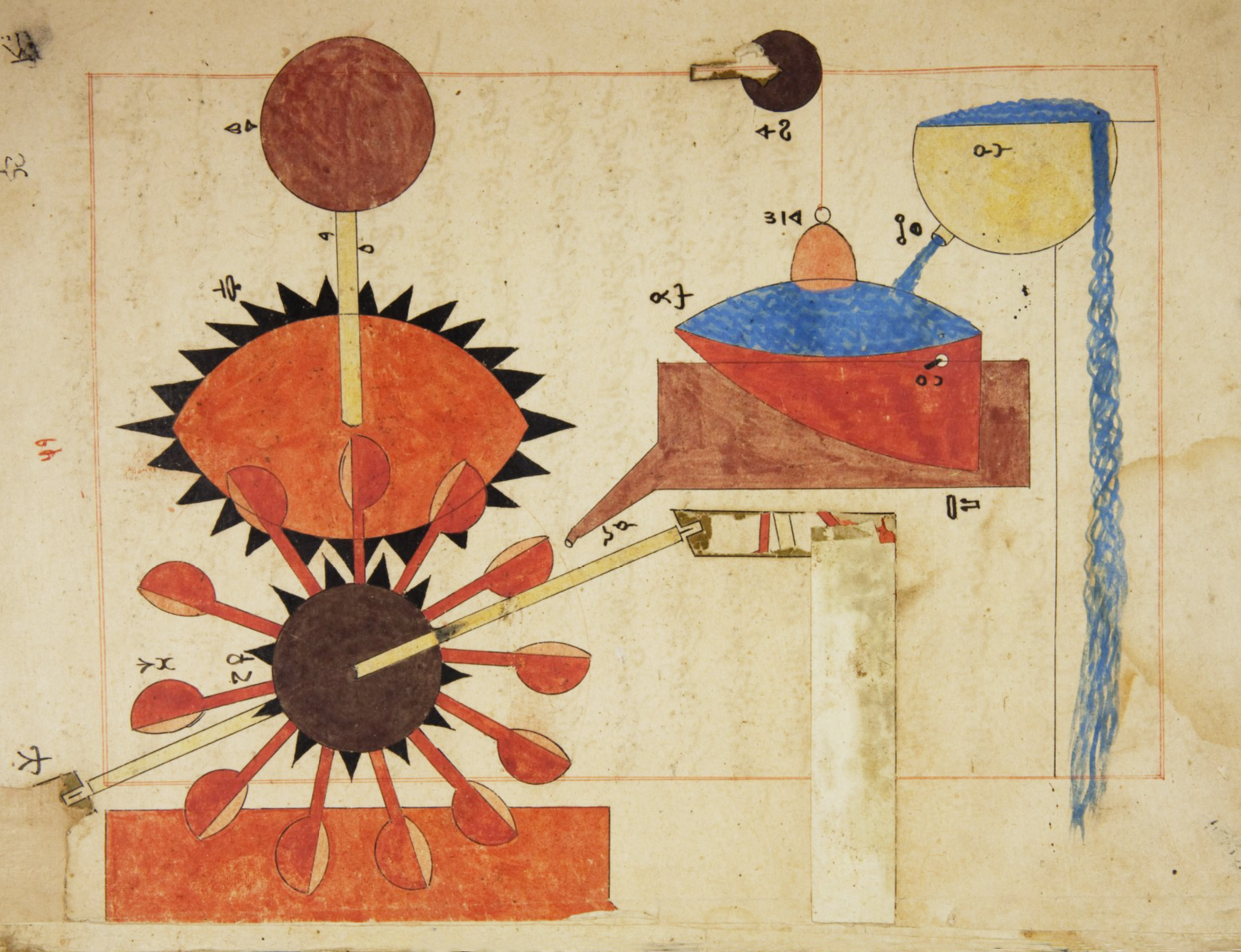
Al-Jazari (d. 1206), chief engineer for the Artuqid court in Diyarbakir, authored the Book of Knowledge of Ingenious Mechanical Devices, detailing remarkable inventions. These included water-raising devices, sophisticated astronomical clocks, singing automatons, and a showering system for King Salih (who disliked servants pouring water). He also invented bloodletting technologies, trick fountains, segmental gears, and a chest with four combination dials—a likely safe—earning him the title "father of robotics" for his lifelike butler that offered guests towels. His contemporaries hailed him as unique and unparalleled, a testament to his skill building upon Persian, Greek, Indian, and Chinese predecessors, and influencing Renaissance inventors.

Read more

The Tumultuous Life of Controversial Author MacLane

2025-04-25
The Tumultuous Life of Controversial Author MacLane

Following the uproar surrounding her debut novel, MacLane published a second book the following year, 'My Friend Annabel Lee,' a proto-surrealist tale about her friendship with a Japanese porcelain doll. It was met with critical indifference. Her subsequent life was a whirlwind of journalistic pursuits, financial woes (including arrest for debt), and a long-term relationship with Caroline M. Branson, 44 years her senior. MacLane continued to write, expressing her unconventional views on marriage, family, sex, religion, and more, leaving behind a legacy as controversial as it is enigmatic.

Read more
Misc

Moby-Dick in Sea Monsters Unmasked:

2025-04-24
Moby-Dick in Sea Monsters Unmasked:

In 'Sea Monsters Unmasked,' author Lee approaches sailors' accounts of sea monsters with skepticism, attributing them to imagination and superstition. However, the book quotes Herman Melville's 'The Whale' (the UK title of Moby-Dick) to illustrate a whale's spout, praising Melville's accuracy despite not being a naturalist, due to his experience as a whaler. This aligns with contemporary British critics' positive reception of the novel, contrasting with the (infamous) American response.

Read more

The Cat Symphony: A Tale of Friendship and Art

2025-04-14
The Cat Symphony: A Tale of Friendship and Art

An Austrian painter created his *Katzensymphonie* to celebrate violinist Joseph Joachim's appointment as director of Berlin's Hochschule für Musik. The painting's origins lie in 'Die Schwarzen Katzen,' a society founded in 1862 by contralto Amalie Joachim and friends, including Johannes Brahms, Julius Otto Grimm, and Clara Schumann. Membership was based on a 'cat-like' appreciation for fine things and friendship, with the constitution even detailing punishments for un-cat-like behavior. The painting and the society's story reveal a deep friendship and shared artistic passion.

Read more

The Enduring Power of Design: From Antiquity to Modernity

2025-04-12
The Enduring Power of Design: From Antiquity to Modernity

This article explores the concept of 'form follows function' in architectural design and the enduring spirit manifested in different eras. Masters of architecture such as Le Corbusier and Louis Sullivan argued that classic structures like the Parthenon, Gothic cathedrals, and modern skyscrapers, telephones, airplanes, and automobiles all embody a design spirit that combines 'imagination and reason'. Underlying these designs, despite technological advancements, is the same eternal principle.

Read more

Utamaro's Yamauba Series: A Balancing Act of Aesthetics and Taboo

2025-04-10
Utamaro's Yamauba Series: A Balancing Act of Aesthetics and Taboo

Kitagawa Utamaro's *Yamauba* series presents a paradoxical image of the Yamauba: untamed eyebrows and hair suggest her outcast status, yet fine robes and delicate features soften her monstrous origins. Some scholars interpret this as a way to subtly convey sensuality while evading censorship, pointing to a few images with exposed breasts. However, this interpretation overlooks the majority of the series, which aren't overtly erotic, and Utamaro's history of publishing more explicit works. His eventual punishment stemmed from political content, not explicitness, highlighting the complex censorship of the time and the delicate balance between artistic expression and societal taboos.

Read more

Mr. Beetle's Infidelity and Retribution: A Bug's Life Gone Wrong

2025-04-03
Mr. Beetle's Infidelity and Retribution: A Bug's Life Gone Wrong

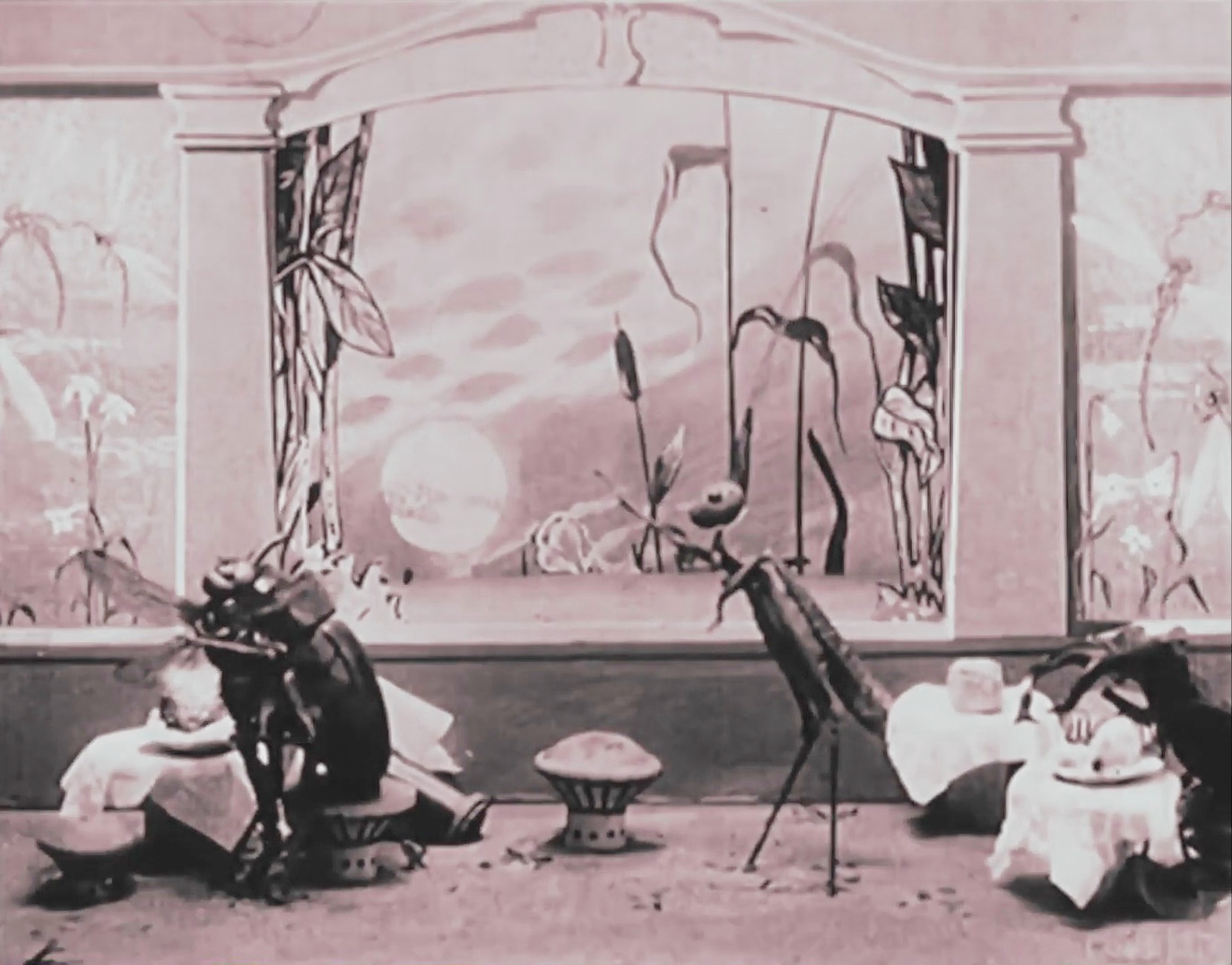
Bored with his marriage, Mr. Beetle visits a nightclub and elopes with a beautiful dragonfly dancer. A vengeful grasshopper, however, films their affair and reveals it to Mrs. Beetle, leading to domestic violence and imprisonment. This darkly comedic tale satirizes marital infidelity and the cyclical nature of revenge, ending with a prediction of a less exciting future for the Beetle couple.

Read more

Jack London's Biased Reporting: The Jeffries-Johnson Fight

2025-04-01
Jack London's Biased Reporting: The Jeffries-Johnson Fight

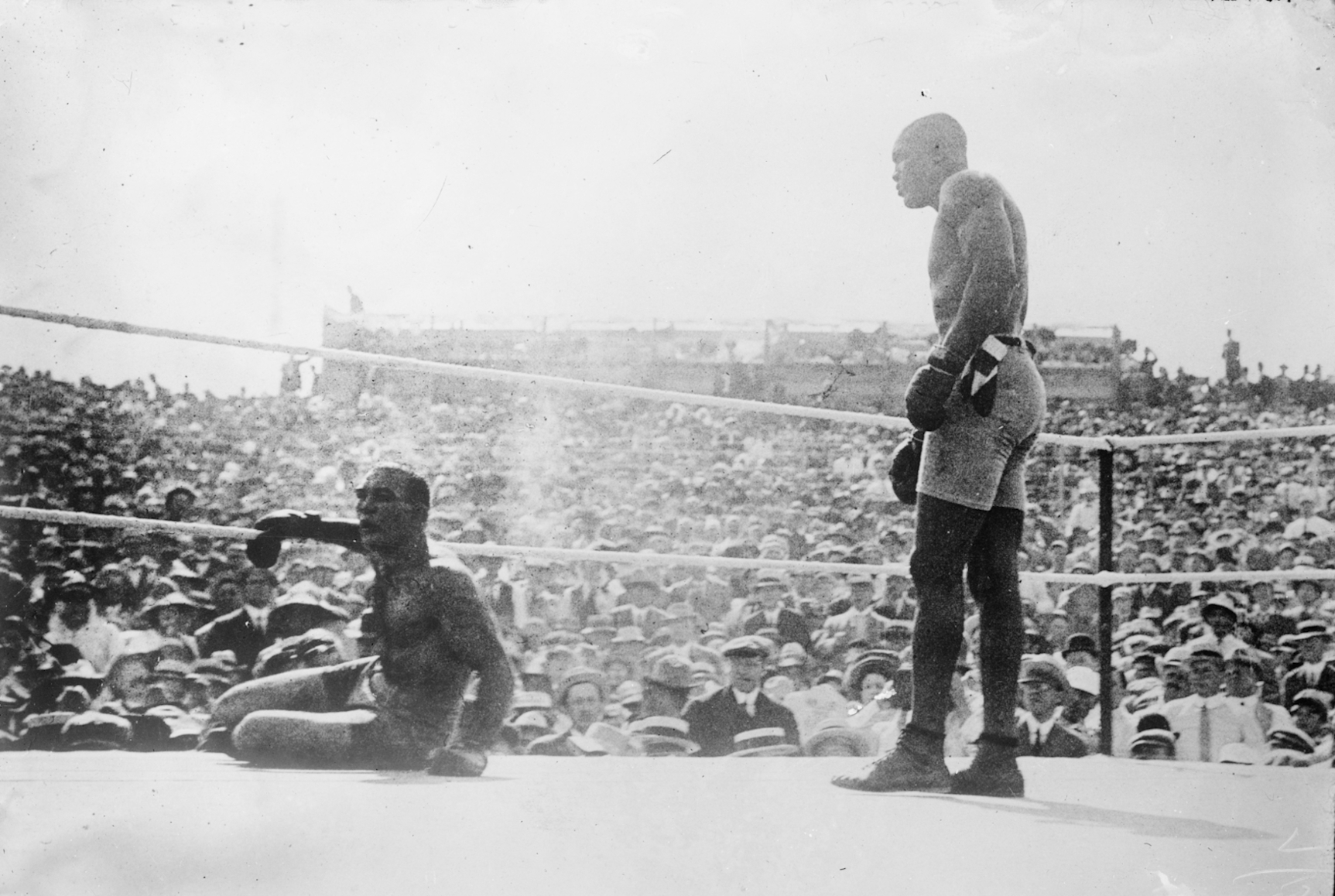
In 1910, Jack London covered the Jeffries-Johnson boxing match in the US, producing numerous articles analyzing the fighters' tactics and personalities from various angles. Despite witnessing Johnson's decisive victory in Sydney, London employed racist rhetoric, portraying Johnson's skill as a liability, suggesting his sophistication prevented him from being champion. He depicted Jeffries as a more 'savage' warrior, inverting typical racial stereotypes, yet Johnson still emerged negatively portrayed, highlighting the inherent bias in London's reporting.

Read more

Modernist Revival of Reverse Painting

2025-03-23
Modernist Revival of Reverse Painting

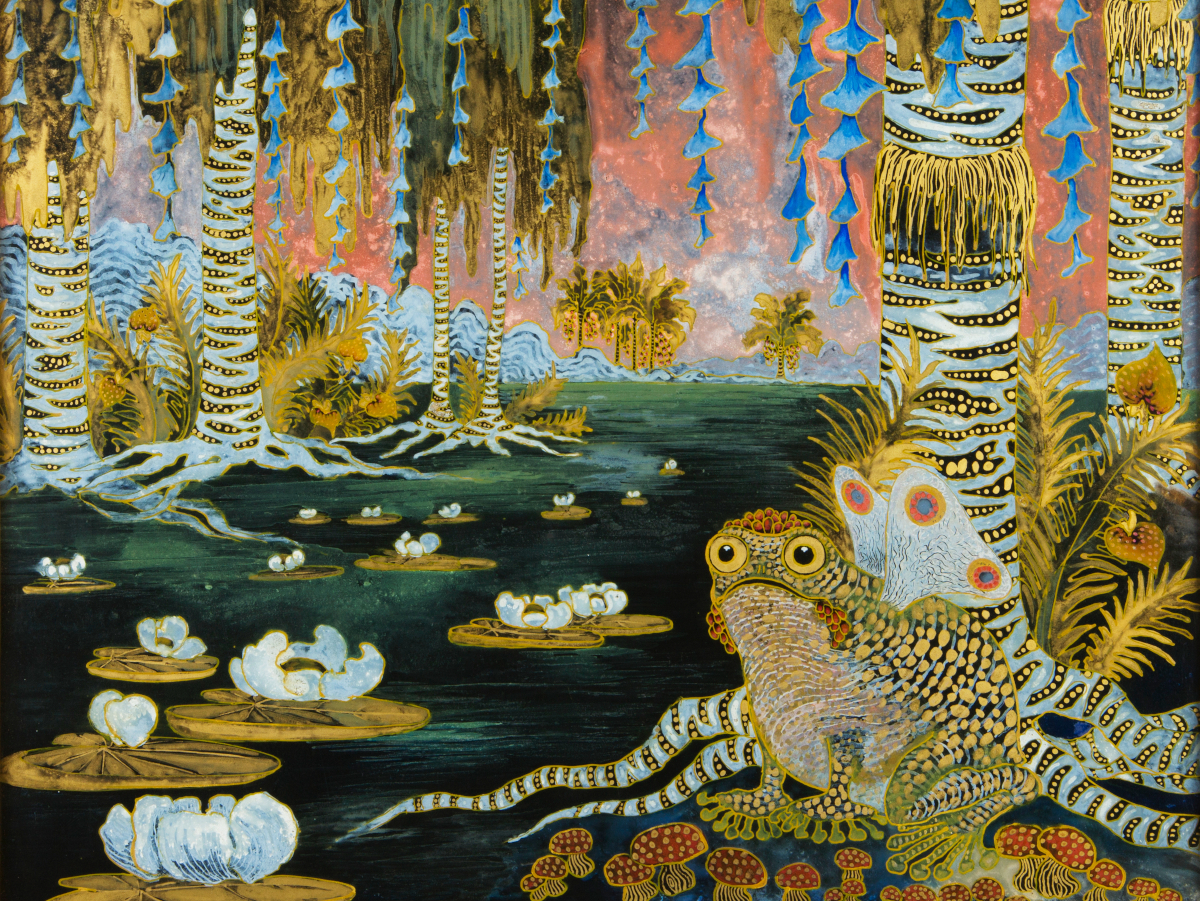
By the early 1900s, reverse painting, or tinsel painting in its American iteration, had fallen out of favor, considered a feminine craft and outdated. However, starting in the 1910s, artists like Marsden Hartley and Rebecca Salsbury James revitalized the technique, expanding on traditional themes and exploring new color palettes, lines, and spatial approaches, giving a modernist twist to this old craft. This coincided with similar work by Janoszanka in Poland, showcasing the power of artistic innovation to reinterpret traditional techniques.

Read more

A Fictitious Prince and European Prejudice: A Masterclass in Self-Promotion

2025-03-16
A Fictitious Prince and European Prejudice: A Masterclass in Self-Promotion

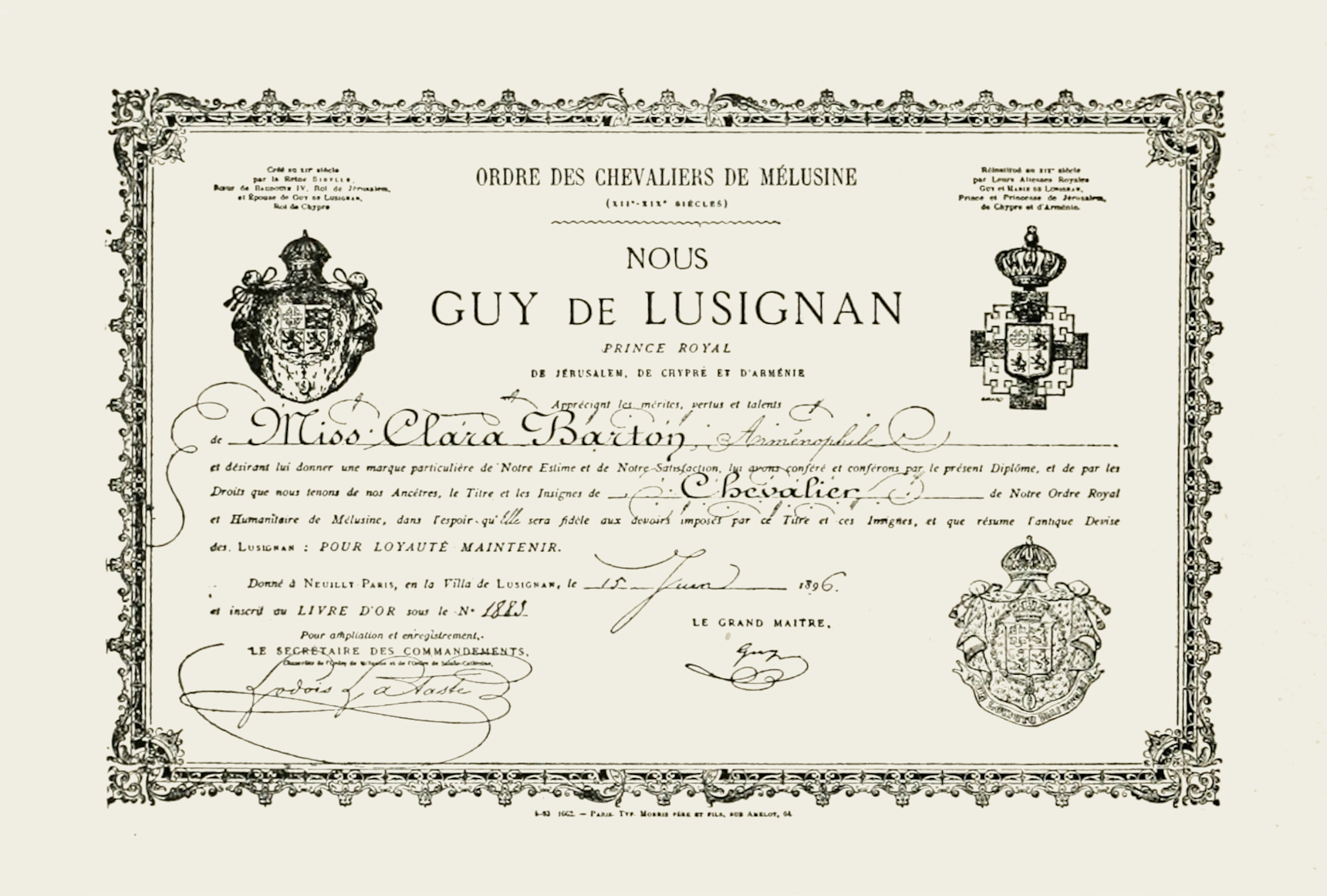
In the 1890s, Calfa, an Armenian, masterfully leveraged European media coverage of Sultan Abdul Hamid II's persecution of Christians in the Ottoman Empire to craft a narrative of himself as a deposed prince in Paris. He skillfully played into existing European stereotypes of an 'oppressed Christian prince' and anti-Muslim sentiment, presenting himself as a dethroned ruler to garner sympathy, support, and credibility. This allowed him to sustain his fabricated identity for an extended period. Calfa's story highlights the interplay between information manipulation and societal biases in achieving personal goals.

Read more

The Ostrich: From Biblical Texts to Arabian Souks

2025-03-13
The Ostrich: From Biblical Texts to Arabian Souks

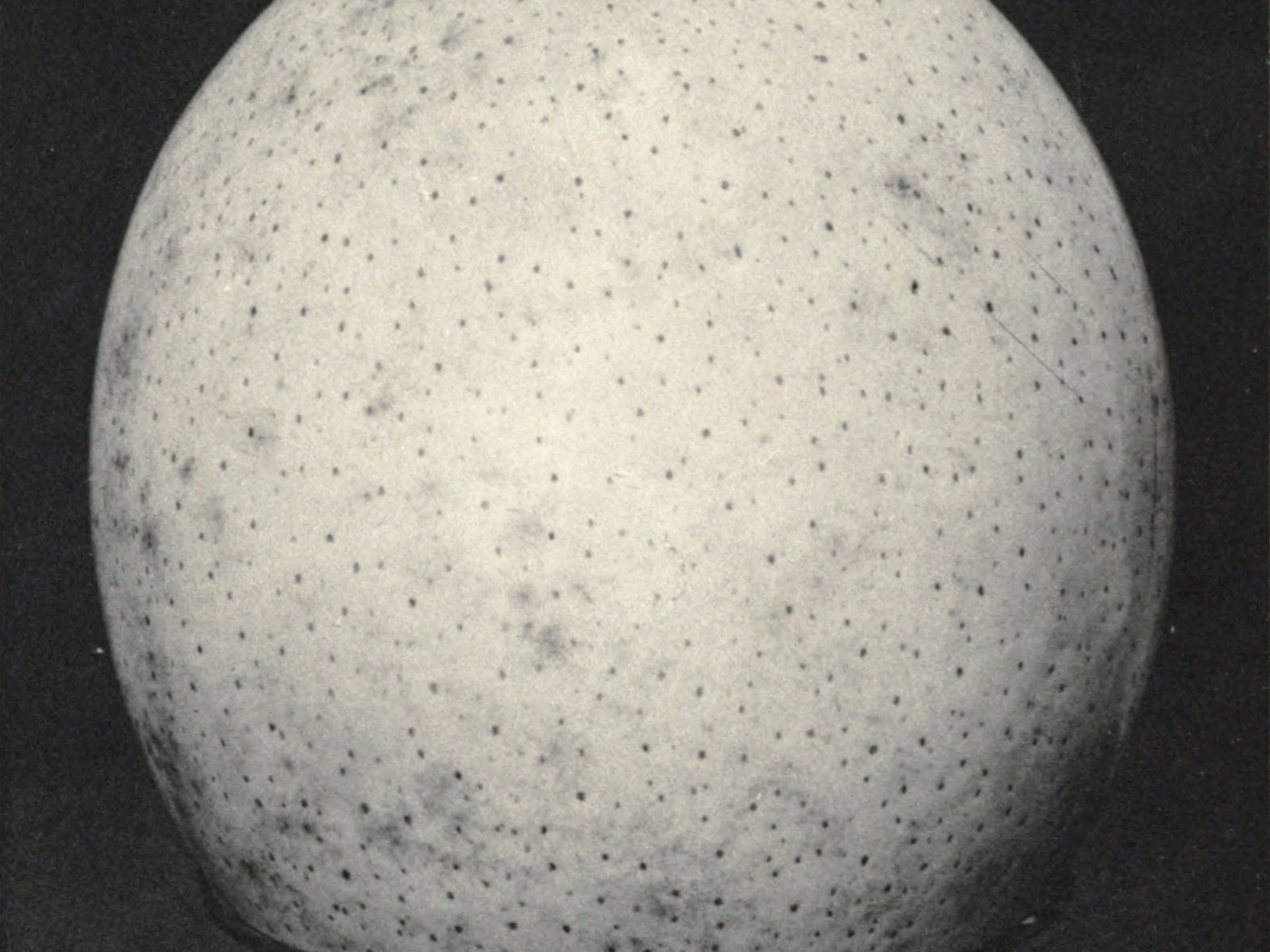
This book's chapters are organized by region and period, starting with Palestine, Syria, and Arabia. While Leviticus and Deuteronomy deemed the ostrich unclean, North African Numidians feasted on it. (Quoting Dr. Duncan of the Department of Agriculture, the author suggests contemporaries try ostrich as a New Year or Easter bird.) Hebrew speakers called the ostrich bath haya’anah (“daughter of the desert”); Arabic speakers used similar epithets, calling it the desert’s father, but also the magician, the strong one, the fugitive, the stupid one, and the gray. While researching, the author found abundant ostrich feathers in the souks of Aleppo, Damascus, and Smyrna, and recounts an Islamic legend about the bird's weak wings: competing with a bustard, the ostrich forgot to invoke Allah's aid before flying near the sun, scorching its wings and those of all future generations.

Read more
Misc ostrich

Skulls, Monsters, and Death: Re-examining the Mexican Printmaker José Guadalupe Posada

2025-03-10
Skulls, Monsters, and Death: Re-examining the Mexican Printmaker José Guadalupe Posada

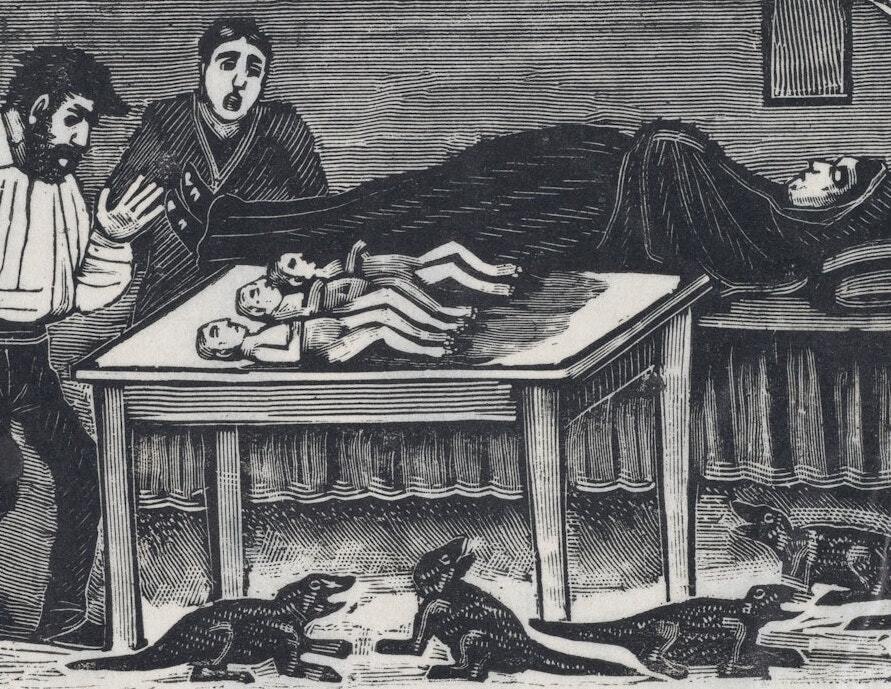
As cultural critic Ilan Stavans notes, Posada's work transports us to a universe of gothic, grotesque, magical, and bizarre incidents, with death as a primary, not existential or painful, but irrevocable, social, and egalitarian theme. His world is filled with bats, griffins, skeletons, animal hybrids, snakes, explosions, pistols, demons, ghosts, and deformities. Instead of viewing these gruesome elements as a side note, we should consider their inherent significance.

Read more

1888's Oracle: Astonishing Predictions of the Future

2025-03-06
1888's Oracle: Astonishing Predictions of the Future

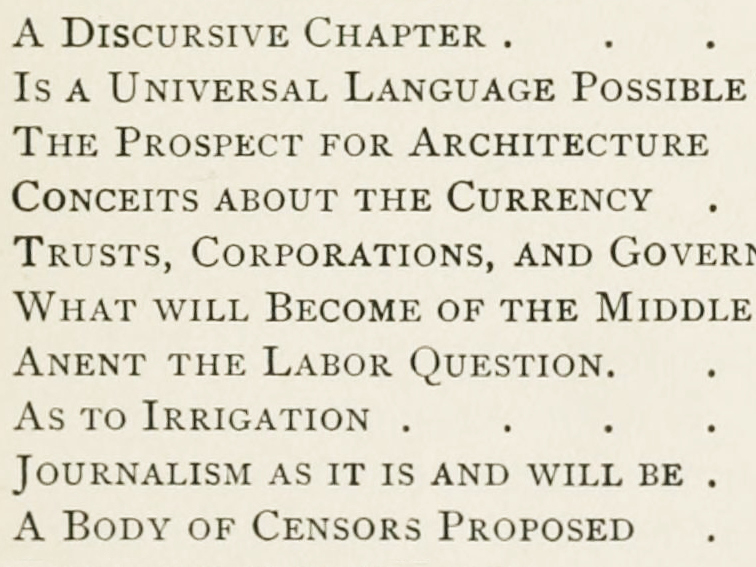
A book published in 1888, structured as a dialogue between a diverse group including a statesman, journalist, voter, clergyman, social reformer, and others, offers striking predictions about the future. These range across politics (wealth concentration, shrinking middle class, rising land prices), foreign policy (the US becoming a global power, Panama Canal opening), technology (air travel), and social issues (women's liberation, journalistic monopolies). Concerns are raised about evolving social mores, including changing attitudes towards sexuality and the potential impact of new narcotics. Some of these predictions are eerily prescient.

Read more

16th Century European Dinner Party Games: The Story of Painted Trenchers

2025-02-26
16th Century European Dinner Party Games: The Story of Painted Trenchers

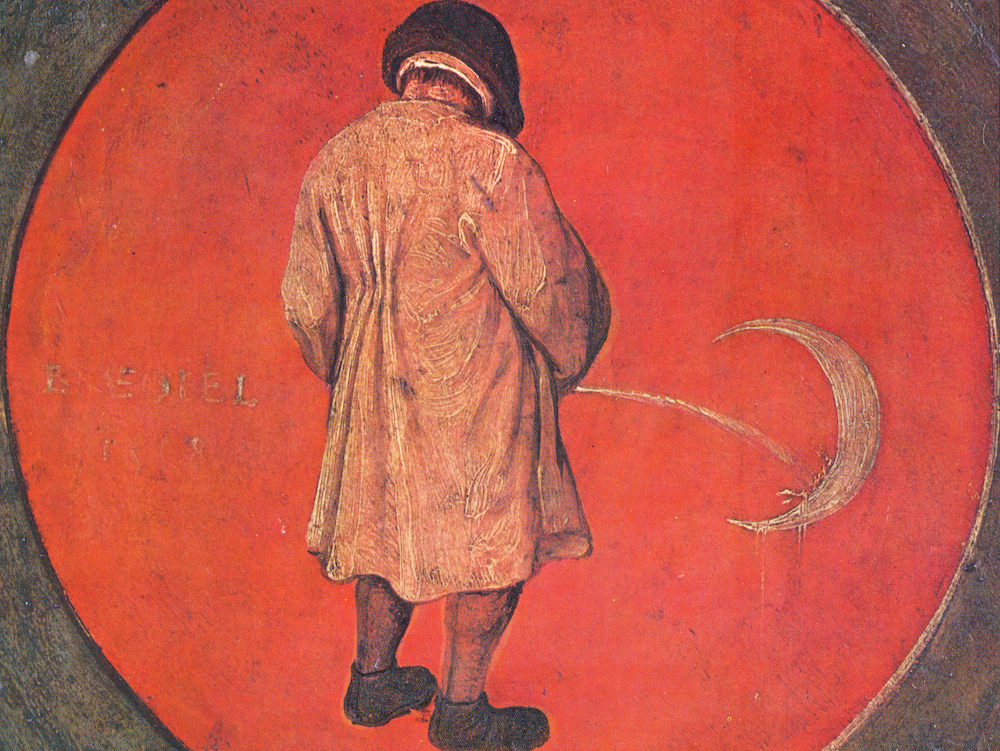
Wooden roundels, or 'trenchers', were common at middling and well-to-do dinner parties in 16th-century Europe. Often painted red on one side, the other displayed images and inscriptions covering a wide range of topics: biblical verses, erotic tales, marriage advice, proverbs, depictions of the months' labors, memento mori, clashes of religious ideologies, peasant life, anti-papal sentiments, and current events. After dessert, guests would flip the trenchers, interpreting the images and text, revealing their knowledge, opinions, manners, and beliefs in a unique interactive performance.

Read more
Misc

The Secret History of Wari Textiles: Looting and the Transformation of Andean Art

2025-02-14
The Secret History of Wari Textiles: Looting and the Transformation of Andean Art

Wari textiles represent some of the most remarkable examples of Andean fabric art. However, their study is hampered by unclear provenance, with many pieces entering global collections through illicit means. The lack of archaeological context makes it difficult to understand their original function and significance. Experts have documented instances of alteration, including cutting, cropping, and restitching, transforming these garments from multi-sensory ensembles worn on the body into flat art objects for Western consumption. This manipulation obscures their original cultural context and purpose.

Read more

The Embodied Alphabet: From Renaissance Humanism to Pedagogical Commentary

2025-02-13
The Embodied Alphabet: From Renaissance Humanism to Pedagogical Commentary

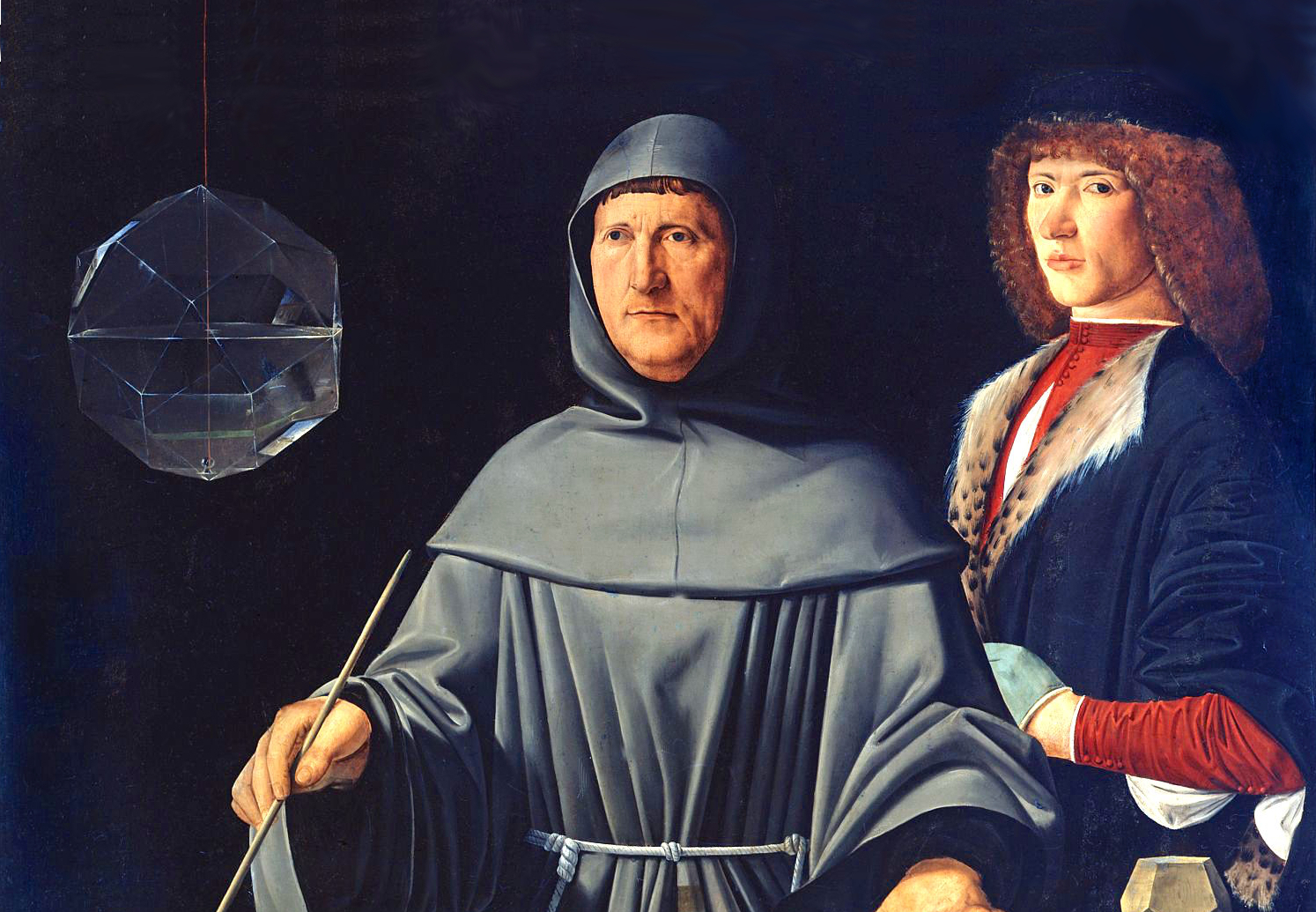
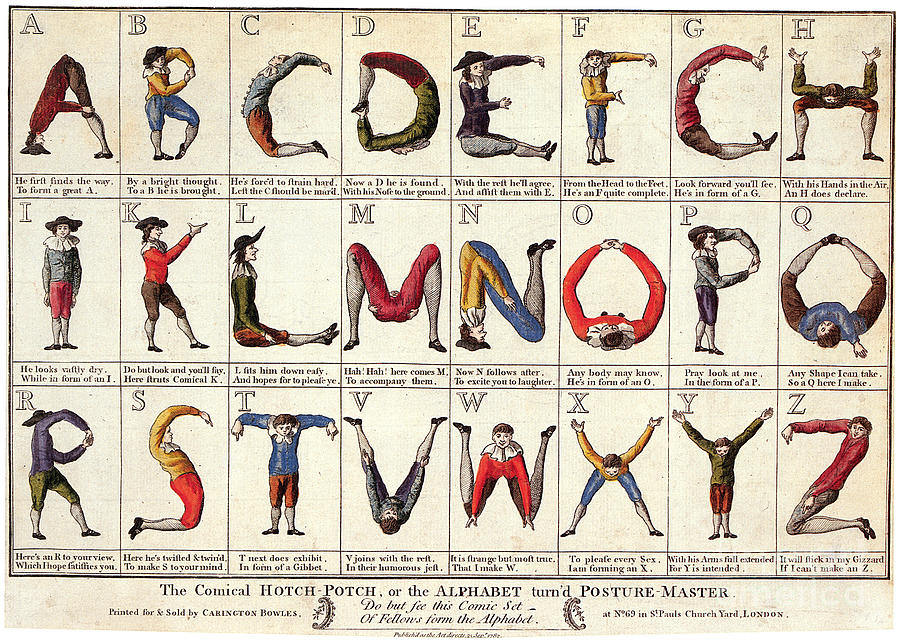
Typographic characters have long been linked to the human form. Renaissance figures like Luca Pacioli and Geoffroy Tory used human anatomy as a basis for letter proportions, as seen in Peter Flötner's 1534 woodcut 'Menschenalphabet'. Later works, such as 'The Comical Hotch Potch' (1782), shifted the focus, using the alphabet to subtly comment on the character-forming aspects of education, depicting figures comically contorting themselves to mimic letter shapes.

Read more

The Dark Side of Dutch Prosperity: A 17th-Century Mercantile Empire

2025-01-30
The Dark Side of Dutch Prosperity: A 17th-Century Mercantile Empire

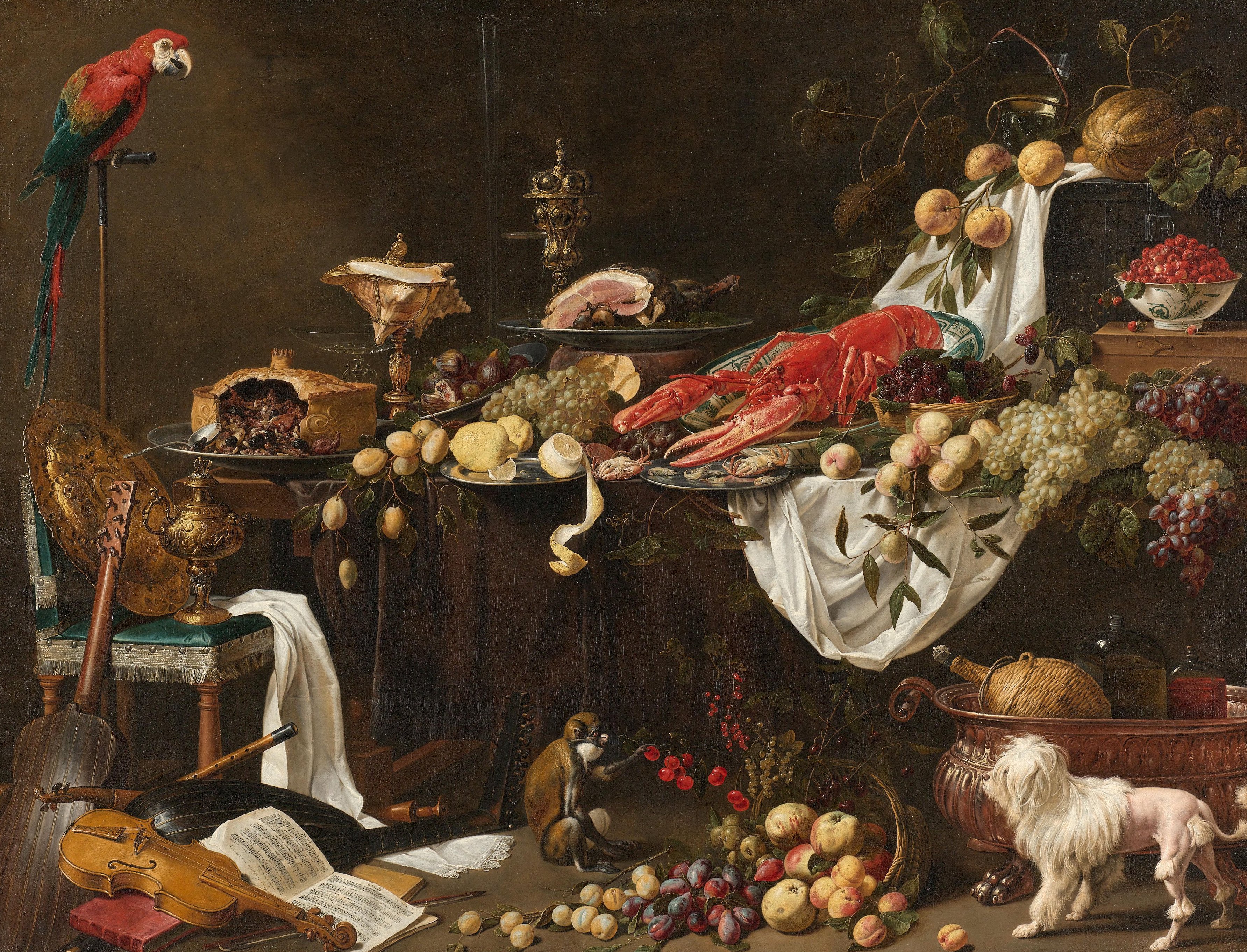
The Dutch Republic, in the 17th century, was Europe's most powerful mercantile power. Its prosperity, as Julie Berger Hochstrasser notes, was built on the foundational elements of capitalism: rapacious resource extraction and privatization, exploitation of waged and unwaged labor, colonial theft, profit from trade, and the concealment of these exploitative practices. As Marx highlighted in *Capital*, the visible marketplace contrasts sharply with the hidden realities of production. Simon Schama's *The Embarrassment of Riches* showcases Amsterdam's opulent streets, filled with goods from around the world, while obscuring the suffering in plantations, ships, mines, and refineries that made this abundance possible.

Read more

A Naturalist's Artistic and Scientific Exploration of Butterfly Wing Color Patterns

2025-01-24
A Naturalist's Artistic and Scientific Exploration of Butterfly Wing Color Patterns

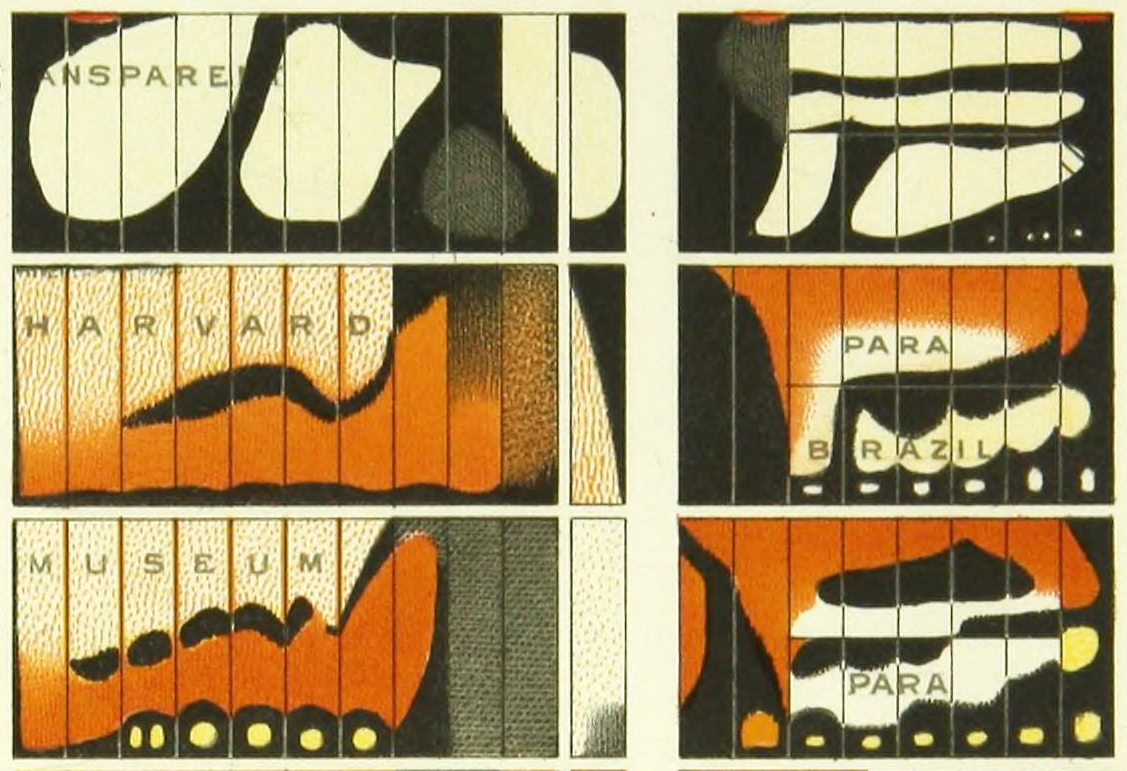
In 1897, naturalist Alfred G. Mayer published *On the Color and Color-Patterns of Moths and Butterflies*, showcasing unique color projections of butterfly wings. Mayer presented the tonal variations of butterfly wings as geometric patterns, attempting to reveal the underlying principles. However, his method was criticized by renowned naturalist Alfred Russel Wallace for distorting the patterns and hindering species identification. Despite this, Mayer's work transcends scientific research, representing an artistic exploration of color itself. His vibrant color projections remain visually striking today.

Read more

The Architectural Revolution of the Enlightenment: Boullée and Ledoux's Geometric Utopias

2025-01-20
The Architectural Revolution of the Enlightenment: Boullée and Ledoux's Geometric Utopias

During the late 18th century French Revolution, two architects, Étienne-Louis Boullée and Claude-Nicolas Ledoux, rejected the excessive ornamentation of Baroque and Rococo styles, embracing bold new geometries. Boullée's designs were highly idealistic, utilizing spheres, cubes, and pyramids to create monumental structures like his massive spherical cenotaph for Newton, showcasing a pursuit of science and light, though largely unrealized. Ledoux, more pragmatic, designed functional structures such as the Chaux saltworks, balancing practicality with symbolic geometric layouts. Both architects' works reveal an extreme focus on geometric forms and utopian ideals, leaving a lasting impact on architectural design.

Read more
← Previous 1